Gambrel Roof Design: Efficient Geometry with Distinctive Character
Gambrel roof design is instantly recognizable by its two-sided profile with two slopes on each side—a steep lower slope and a shallower upper slope. Most commonly associated with barns and historic farm buildings, the gambrel roof has evolved into a versatile architectural solution used in homes, garages, and modern reinterpretations.
Beyond its visual identity, the gambrel roof is valued for its ability to maximize usable interior space while remaining structurally efficient.
We have completed hundreds of civil and structural design spreadsheets, including all aspects of structural timber design. Follow the link for further details and offers.

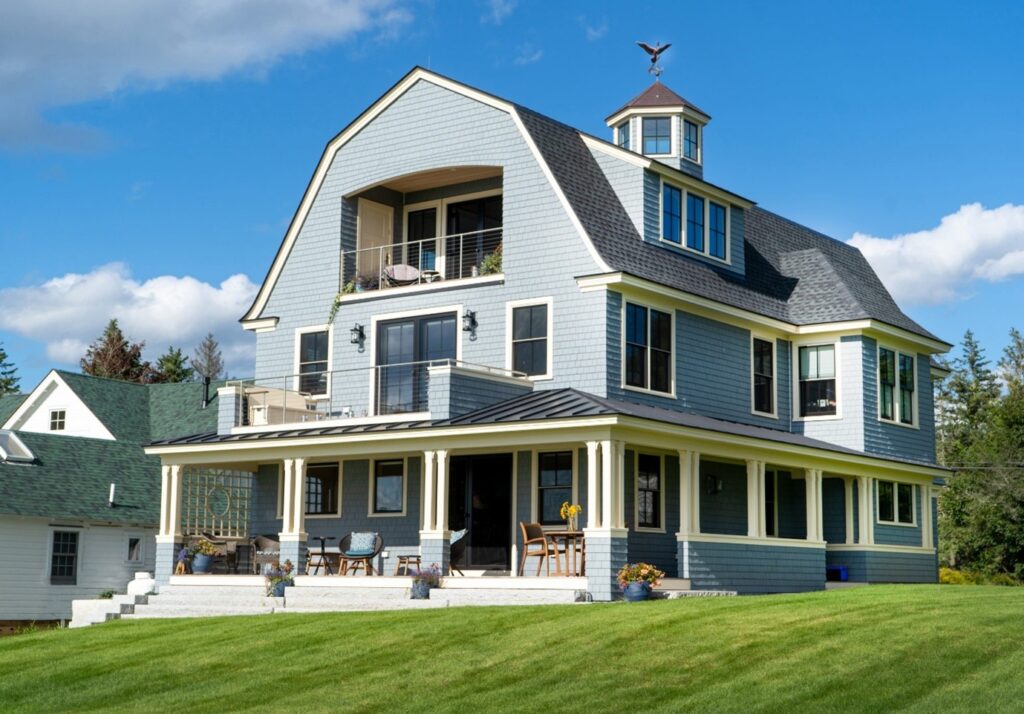
What Is a Gambrel Roof?
A gambrel roof is a symmetrical roof with:
- A steep lower slope that increases headroom
- A shallower upper slope that completes the roof profile
Unlike a mansard roof, which has four sides, the gambrel roof has two sides, typically with gable ends.
Why Choose a Gambrel Roof?
Gambrel roof design offers several practical advantages:
- Maximized attic or loft space
- Efficient use of materials
- Distinctive architectural character
- Adaptability for barns, homes, and garages
- Ease of integrating lofts and upper floors
For many projects, a gambrel roof provides near full-storey usability without increasing wall height.
Historical Origins
The gambrel roof became widespread in North America during the 18th and 19th centuries, particularly in agricultural buildings. Its geometry allowed farmers to create large haylofts without tall exterior walls, improving economy and function.
Today, this same efficiency makes gambrel roofs attractive for residential and mixed-use buildings.
Structural Design of Gambrel Roofs
Framing Systems
Gambrel roofs can be framed using:
- Traditional timber rafters with knee joints
- Prefabricated timber trusses
- Engineered timber members such as LVL or glulam
Modern gambrel trusses are especially popular for residential construction, offering predictable performance and rapid installation.
Load Transfer
Loads from roofing, snow, and wind are transferred:
- Through the upper and lower slopes
- Into bearing walls at the eaves
- Through gable-end bracing or shear walls
The change in slope creates concentrated forces at the knee joint, which must be carefully designed.
Interior Space and Functionality
One of the key benefits of gambrel roof design is the usable interior volume it creates. Common uses include:
- Loft bedrooms or studios
- Storage and utility spaces
- Haylofts in barns
- Home offices or rental units
The steep lower slope provides near-vertical walls internally, making furniture placement and circulation easier.
Materials and Roof Coverings
Traditional gambrel roofs were clad in wood shingles or metal. Modern options include:
- Asphalt shingles
- Standing-seam metal roofing
- Composite or fiber-cement products
Material choice affects roof weight, detailing, and long-term performance.
Wind, Snow, and Drainage Considerations
Gambrel roofs must be carefully designed for environmental loads:
- Snow drift can accumulate near the change in slope
- Wind uplift is often higher on the lower slopes
- Drainage detailing must manage water at slope transitions
These factors often govern structural member sizing and connection design.
Dormers and Openings
Dormers are commonly added to gambrel roofs to improve daylight and ventilation. Proper detailing ensures:
- Structural continuity
- Reliable waterproofing
- Visual balance
Dormers also reinforce the traditional character of gambrel architecture.
Advantages and Limitations
Advantages
- Excellent space efficiency
- Strong association with barns and heritage architecture
- Cost-effective compared to full additional storeys
- Flexible framing options
Limitations
- More complex framing than simple gable roofs
- Requires careful detailing at slope transitions
- Not always suitable for dense urban contexts
Understanding these limitations ensures appropriate use.
Modern Interpretations of Gambrel Roof Design
Contemporary gambrel roofs reinterpret the traditional form using:
- Simplified geometry
- Minimalist materials
- Large glazing at gable ends
These designs retain the spatial advantages while achieving a modern aesthetic.
Final Thoughts
Gambrel roof design is a proven and efficient roof form that combines practicality with a strong architectural identity. By maximizing interior volume and using materials efficiently, gambrel roofs remain relevant in both traditional and modern construction. With thoughtful structural design and detailing, a gambrel roof can provide lasting value, functionality, and character.


