Kengo Kuma Wood Structure: Redefining Architecture Through Material and Meaning
The work of Kengo Kuma has reshaped how contemporary architecture engages with wood. Known for dissolving the boundaries between building and environment, Kuma uses wood not as decoration, but as a structural, cultural, and sensory medium. His timber structures are light, human-scaled, and deeply rooted in Japanese craft traditions—yet executed with modern engineering and global relevance.
We have completed hundreds of civil and structural design spreadsheets, including all aspects of structural timber design. Follow the link for further details and offers.

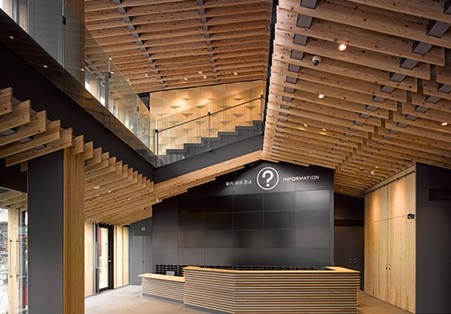
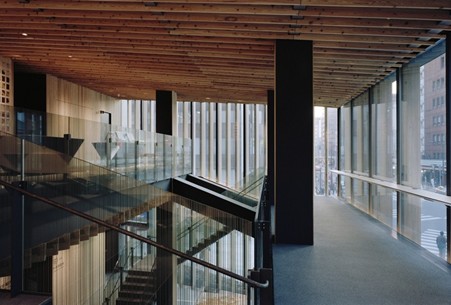
A Philosophy Built on Wood
Kengo Kuma’s approach to wood structure is grounded in the idea of anti-object architecture. Rather than creating monumental forms that dominate their surroundings, he designs buildings that blend into context through texture, rhythm, and material honesty.
Wood plays a central role in this philosophy because it is:
- Human in scale and tactile in nature
- Culturally significant in Japanese architecture
- Structurally expressive, revealing how buildings are made
- Environmentally responsible, when sourced and used thoughtfully
For Kuma, wood is not nostalgic—it is forward-looking.
Structural Expression Through Timber
Unlike conventional timber design that often hides connections and structure, Kuma frequently exposes:
- Interlocking wood members
- Repetitive lattices and screens
- Layered timber systems
These elements blur the line between structure, enclosure, and ornament. The result is architecture where the load-bearing system also defines light, shadow, and spatial experience.
Signature Wood Structural Techniques
Lattice and Grid Systems
Many of Kuma’s projects use intricate wooden grids that distribute loads while filtering light. These systems are often inspired by traditional Japanese joinery but reinterpreted using digital fabrication and modern structural analysis.
Small-Member Assemblies
Rather than relying on massive beams, Kuma often assembles structures from many smaller wood elements. This approach:
- Reduces visual heaviness
- Enhances seismic performance
- Creates a porous, breathable architecture
Hybrid Timber Engineering
Kuma’s wood structures frequently integrate steel or engineered wood discreetly, allowing timber to remain visually dominant while meeting modern performance requirements.
Notable Wood-Centered Projects
Several of Kengo Kuma’s most influential works showcase his timber structural philosophy:
- Cultural and civic buildings with layered wooden façades
- Museums using interlocking timber frames as both structure and exhibit
- Pavilions and installations that explore experimental wood joinery
- Commercial buildings that reinterpret traditional wooden streetscapes
In each case, wood is both the structural logic and the architectural language.
Light, Transparency, and Sensory Experience
A defining feature of Kengo Kuma’s wood structures is their relationship with light. Timber elements are spaced, layered, or angled to:
- Soften daylight
- Create shifting shadows
- Reduce the sense of enclosure
This results in spaces that feel calm, natural, and immersive—qualities often missing in conventional modern buildings.
Sustainability Beyond Metrics
While Kuma’s work aligns with sustainable design goals, his use of wood goes beyond carbon calculations. He emphasizes:
- Local materials and craftsmanship
- Longevity through adaptability
- Emotional sustainability—buildings people care for and preserve
This holistic view positions wood as both an environmental and cultural resource.
Influence on Contemporary Timber Design
Kengo Kuma’s wood structures have influenced:
- Mass timber aesthetics in global architecture
- The acceptance of exposed timber in civic buildings
- New ways of combining tradition with advanced engineering
His work demonstrates that timber architecture can be innovative without being aggressive, and modern without losing its connection to place.
Final Thoughts
Kengo Kuma’s wood structures represent a profound shift in architectural thinking. By treating wood as structure, surface, and story, he creates buildings that feel lighter, quieter, and more humane. In an era increasingly focused on sustainability and material honesty, his work stands as a compelling model for the future of timber architecture.


