Moisture Content of Timber: Why It Matters in Design and Construction
Moisture content of timber is one of the most important factors influencing its strength, durability, dimensional stability, and long-term performance. Whether you are designing a timber structure, specifying materials, or working on site, understanding how moisture affects wood is essential to avoiding defects, serviceability issues, and premature deterioration.
This article explains what timber moisture content is, how it changes, and why it plays a critical role in both structural and architectural applications.
We have completed hundreds of civil and structural design spreadsheets, including all aspects of structural timber design. Follow the link for further details and offers.

What Is Moisture Content of Timber?
Moisture content (MC) is the amount of water contained in wood, expressed as a percentage of the dry weight of the timber:
Moisture content (%) = (Weight of water / Oven-dry weight) × 100
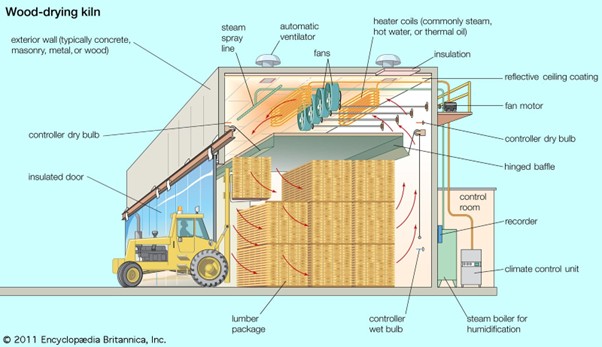
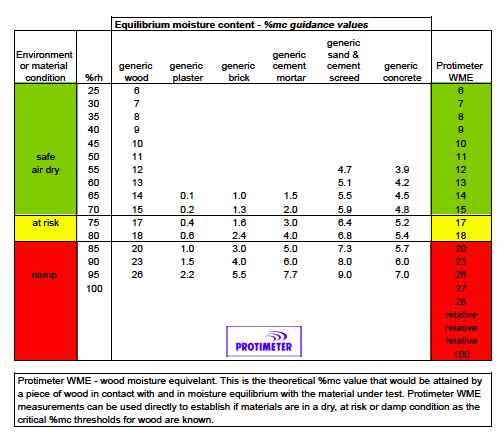
Freshly felled timber can have moisture contents well above 50%, while seasoned or kiln-dried timber typically ranges between 8% and 20%, depending on its intended use and environment.
Free Water and Bound Water
Moisture in timber exists in two forms:
- Free water, held in the cell cavities
- Bound water, held within the cell walls
The fiber saturation point (FSP)—typically around 25–30% moisture content—marks the transition where all free water is gone but the cell walls are still saturated. Below the FSP, changes in moisture content directly affect timber properties.
Why Moisture Content Is So Important
Strength and Stiffness
As moisture content increases below the fiber saturation point, timber strength and stiffness decrease. Structural design values are usually based on a reference moisture condition, with adjustments made for service environment.
Shrinkage and Swelling
Timber shrinks as it dries and swells as it absorbs moisture. This movement is:
- Unequal in different directions (tangential, radial, longitudinal)
- A primary cause of cracking, warping, and joint opening
Understanding expected moisture changes helps designers detail joints and connections that accommodate movement.
Durability and Decay
High moisture content—typically above 20%—creates conditions favorable for fungal decay. Controlling moisture is therefore one of the most effective ways to ensure timber durability.
Serviceability Performance
Deflection, vibration, and creep are all influenced by moisture content. Long-term deformation increases significantly when timber is exposed to sustained high humidity.
Typical Moisture Content Ranges
| Application | Typical Moisture Content |
| Green timber | 30–100% |
| External structural timber | 16–20% |
| Internal structural timber | 10–14% |
| Furniture and joinery | 8–12% |
Matching timber moisture content to its in-service environment is essential to avoid excessive movement.
Moisture Content and Service Classes
Structural design standards classify timber environments into service classes based on moisture exposure:
- Service Class 1: Heated internal conditions
- Service Class 2: Covered external or unheated internal spaces
- Service Class 3: Exposed external conditions
Design strength, stiffness, and creep factors are adjusted according to these classes, reflecting expected moisture levels.
Measuring Moisture Content
Moisture content can be measured using:
- Electrical resistance moisture meters, common on site
- Capacitance meters, for non-invasive testing
- Oven-drying, the most accurate laboratory method
On-site measurements help verify that timber is suitable for installation and not at risk of excessive movement.
Moisture Control in Practice
Design Stage
- Specify appropriate moisture content at delivery
- Detail for ventilation and drainage
- Avoid moisture traps in connections
Construction Stage
- Store timber off the ground and covered
- Allow acclimatization before installation
- Monitor moisture levels during construction
In-Service Performance
- Ensure adequate building envelope protection
- Maintain drainage and ventilation paths
- Address leaks or condensation quickly
Preventing moisture ingress is far more effective than treating decay later.
Common Problems Caused by Poor Moisture Control
- Excessive cracking and splitting
- Warped floors and roof members
- Loose or overstressed connections
- Reduced structural capacity
- Fungal decay and mold growth
Most timber failures are moisture-related rather than strength-related.
Final Thoughts
The moisture content of timber underpins nearly every aspect of its performance—from strength and stiffness to durability and appearance. By understanding how moisture interacts with wood and by controlling it through design, construction, and maintenance, timber structures can perform reliably for decades.
For designers and builders alike, moisture control is not an optional detail—it is fundamental to good timber construction.


