Plywood Beam Design: A Modern, Versatile Approach to Structural Style
Plywood beam design is redefining how designers and homeowners think about exposed structure. By combining engineering efficiency with contemporary aesthetics, plywood beams offer a clean, modern alternative to traditional solid wood beams—without sacrificing strength or visual impact.
From minimalist interiors to innovative architectural builds, plywood beams are becoming a smart, design-forward choice.
We have completed hundreds of civil and structural design spreadsheets, including all aspects of structural timber design. Follow the link for further details and offers, including ply web and box beams.
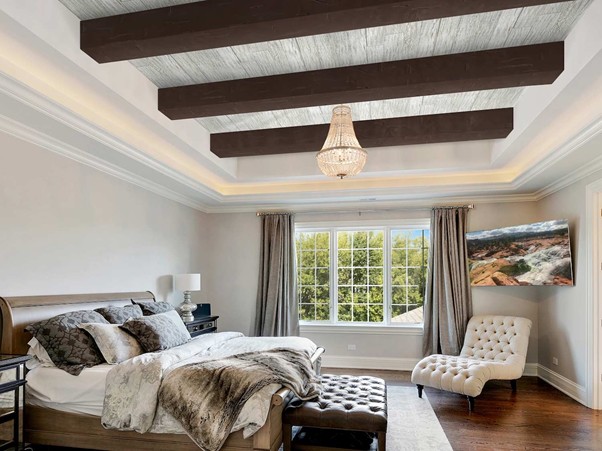
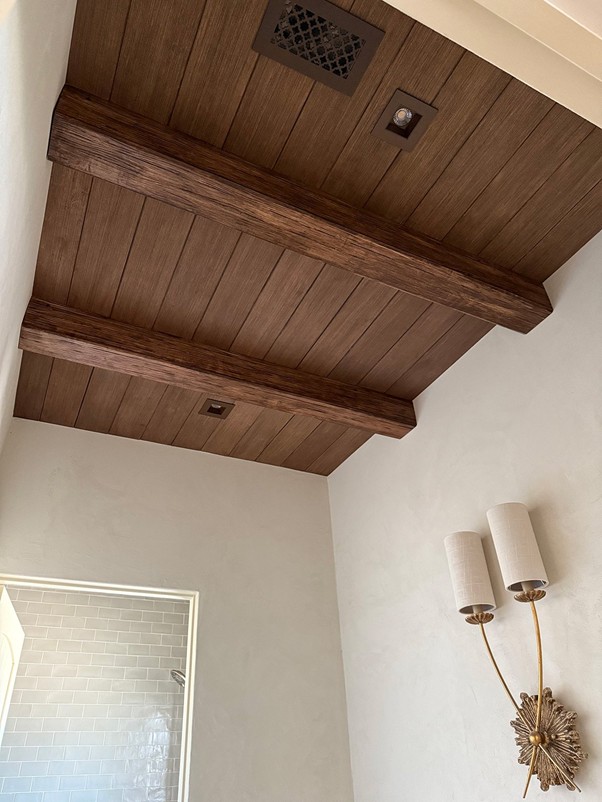
What Is Plywood Beam Design?
Plywood beams are engineered structural or decorative elements made by laminating layers of plywood together, often forming box beams or built-up sections. This layered construction creates beams that are strong, stable, and visually distinctive, with exposed edges that highlight the material’s natural strata.
Unlike solid timbers, plywood beams are less prone to warping, checking, or splitting, making them ideal for modern construction.
Why Choose Plywood Beams?
Strength Through Engineering
Plywood beams are designed for performance. The cross-laminated layers distribute loads evenly, allowing for long spans and consistent structural integrity. This makes them suitable for open floor plans, vaulted ceilings, and commercial-style residential spaces.
Dimensional Stability
Because plywood is manufactured under controlled conditions, beams maintain their shape over time. This stability is especially valuable in environments with changing humidity or temperature.
Material Efficiency and Sustainability
Plywood beams make efficient use of wood resources, reducing waste while maximizing strength. When sourced responsibly, they are an environmentally conscious alternative to large solid timbers.
Design Styles That Work Well with Plywood Beams
Modern and Minimalist
Exposed plywood beams with clean lines and smooth finishes fit seamlessly into contemporary interiors. Their subtle texture adds warmth without overpowering the space.
Industrial and Architectural
In loft-style homes or industrial-inspired designs, plywood beams complement concrete floors, steel accents, and expansive glazing.
Scandinavian and Japandi
Light-toned plywood beams enhance natural light and emphasize simplicity, balance, and craftsmanship—key principles of these design styles.
Structural vs. Decorative Plywood Beams
- Structural plywood beams are engineered to carry loads and are often used in roofs, ceilings, and large spans.
- Decorative plywood beams provide the same visual effect but are lightweight and installed purely for aesthetic purposes.
Both options allow designers to achieve a cohesive look while meeting project-specific requirements.
Finish and Customization Options
Plywood beam design offers a high level of customization, including:
- Natural clear finishes to showcase layered edges
- Stains or paints for a refined or bold look
- Concealed fasteners for a seamless appearance
- Integrated lighting or ceiling details
Edges can be left exposed for a modern statement or wrapped for a smoother, more traditional finish.
Cost and Installation Considerations
Plywood beams are often more cost-effective than solid wood beams, especially for large spans or custom profiles. Their lighter weight can also reduce installation labor and structural demands, making them a practical choice for both new builds and renovations.
Final Thoughts
Plywood beam design combines innovation, efficiency, and modern style. Whether used structurally or decoratively, plywood beams offer a sleek architectural look with impressive performance benefits. For homeowners and designers seeking a contemporary alternative to traditional wood beams, plywood delivers strength, sustainability, and standout design potential.


