Timber Structural Design: Engineering Strength Through Natural Materials
Timber structural design is the discipline of using wood as a primary load-bearing material to create safe, efficient, and expressive buildings. Once limited to low-rise construction, modern timber design now spans everything from homes and barns to multi-story commercial and institutional buildings—thanks to engineered wood products, advanced analysis methods, and evolving building codes.
At its core, timber structural design blends engineering precision with the inherent beauty and sustainability of wood.
We have completed hundreds of civil and structural design spreadsheets, including all aspects of structural timber design. Follow the link for further details and offers.
What Is Timber Structural Design?
Timber structural design involves analyzing and sizing wood members and systems to safely resist:
- Gravity loads (dead, live, snow)
- Lateral loads (wind and seismic)
- Serviceability demands (deflection, vibration, creep)
It applies to both solid sawn lumber and engineered timber products, including beams, columns, panels, and full structural systems.
Common Timber Structural Systems
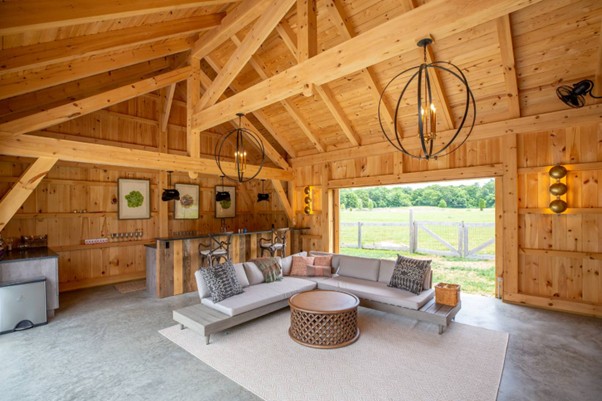
Post-and-Beam and Timber Frame
These systems use large posts and beams to carry loads, allowing wide open spans and exposed structure. Timber framing often emphasizes traditional joinery, while post-and-beam systems may incorporate steel connectors.
Light Wood Frame
The most common residential system, using repetitive studs, joists, and rafters. Structural design focuses on load paths, shear walls, and diaphragm action.
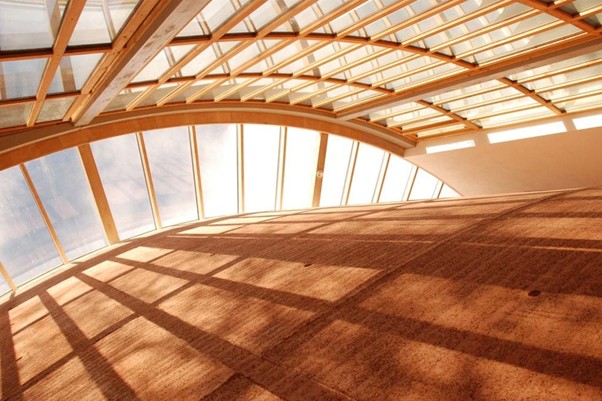
Mass Timber Systems
Mass timber includes large engineered components such as:
- Glued laminated beams and columns
- Laminated veneer lumber (LVL)
- Cross-laminated timber (CLT) panels
These systems enable longer spans, taller buildings, and prefabricated construction.
Key Principles of Timber Structural Design
Material Behavior
Wood is anisotropic, meaning its strength and stiffness vary with grain direction. Structural design must account for:
- Bending parallel to grain
- Shear and bearing perpendicular to grain
- Moisture-related movement
Strength and Stability
Timber members are designed to resist:
- Bending and shear
- Axial compression and buckling
- Combined loading conditions
Stability checks are especially critical for slender columns and long-span beams.
Serviceability Control
In many timber structures, deflection, vibration, and creep govern design rather than strength. Long-term performance is a key consideration, particularly for floors and roofs.
Connections Govern Design
Timber structures rely heavily on mechanical connections such as bolts, screws, plates, and brackets. These connections often control:
- Load capacity
- Ductility under seismic loads
- Overall system behavior
A clear load path through connections is essential to safe design.
Fire, Durability, and Performance
Fire Design
Large timber members perform well in fire due to predictable charring rates that protect inner material. Structural design may account for:
- Reduced effective section
- Encapsulation or exposure
- Fire-resistance ratings
Moisture and Durability
Proper detailing is critical to prevent decay and loss of capacity. Timber structural design includes strategies for:
- Moisture control
- Ventilation and drainage
- Protective finishes and treatments
Sustainability and Efficiency
Timber structural design supports sustainable construction by:
- Using renewable materials
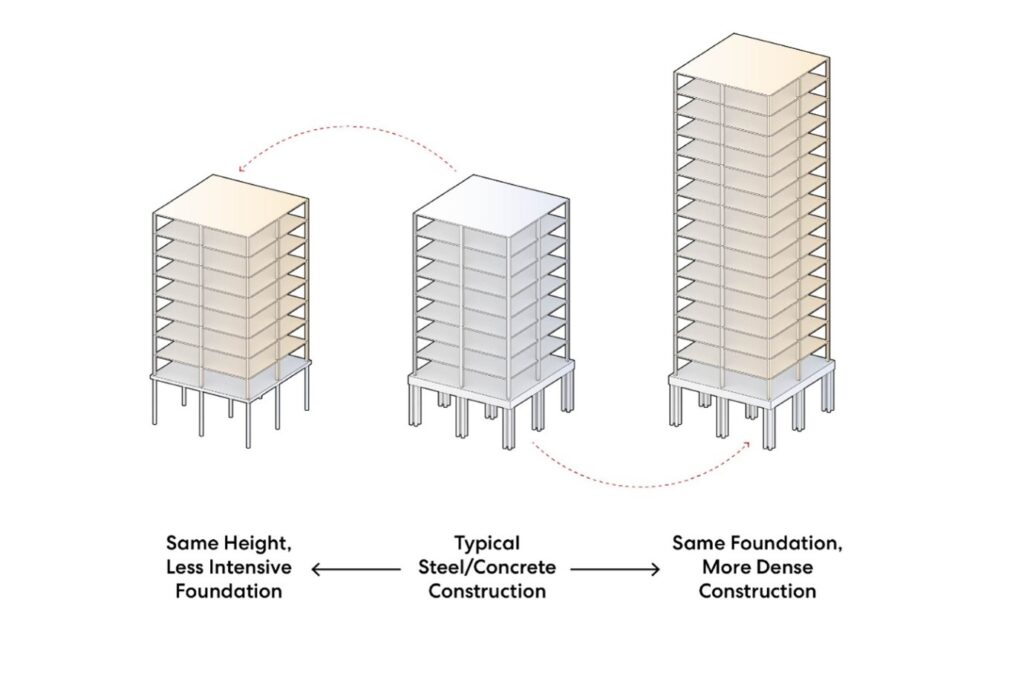
- Reducing embodied carbon compared to steel and concrete
- Enabling prefabrication and faster construction
- Creating lighter structures with smaller foundations
These benefits make timber a key material in low-carbon and high-performance building design.
When Timber Structural Design Excels
Timber structures are especially effective for:
- Residential and mixed-use buildings
- Educational and institutional facilities
- Agricultural and recreational structures
- Commercial buildings seeking warmth and architectural character
With proper engineering, timber can compete structurally while outperforming other materials environmentally.
Final Thoughts
Timber structural design is both a science and an art. By combining rigorous engineering with natural materials, designers can create structures that are strong, efficient, sustainable, and visually compelling. As mass timber and engineered wood technologies continue to advance, timber structural design is playing an increasingly central role in the future of construction.


