Wood Piling Design: Principles for Durable and Efficient Foundations
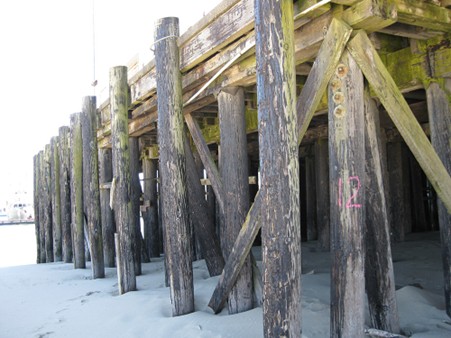
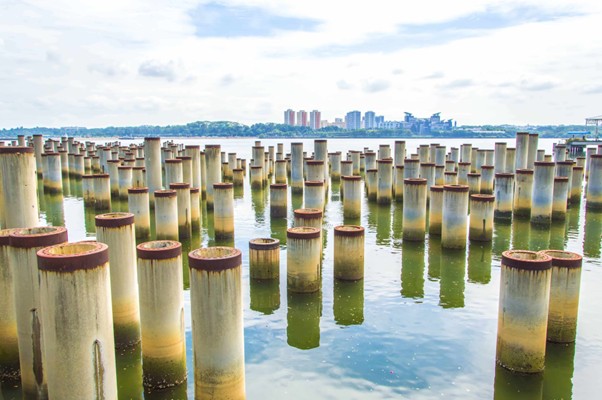
Wood piling design is a time-tested foundation solution used to support structures where shallow foundations are impractical. From waterfront docks and bridges to buildings constructed on soft or saturated soils, wood piles provide a reliable, economical, and sustainable method of transferring loads to deeper, more competent ground.
Despite the availability of steel and concrete alternatives, properly designed and detailed wood piles continue to perform exceptionally well—often lasting for decades or even centuries.
We have completed hundreds of civil and structural design spreadsheets, including all aspects of structural timber design. Follow the link for further details and offers.
What Is Wood Piling?
Wood piles are long, slender timber members driven into the ground to support axial loads, lateral forces, or uplift. Loads are transferred through:
- End bearing on firm soil or rock, and/or
- Skin friction between the pile surface and surrounding soil
Wood piling is commonly used in:
- Marine and waterfront structures
- Light- to medium-load buildings
- Temporary or permanent foundations
- Low-rise construction in poor soil conditions
Common Types of Wood Piles
Round Timber Piles
Typically cut from straight tree trunks, round timber piles are economical and widely available. They are commonly pressure-treated for durability and used in marine and land-based foundations.
Squared or Sawn Timber Piles
Sawn piles offer more uniform dimensions and easier connection detailing but are less common due to higher material and fabrication costs.
Treated Timber Piles
Preservative-treated piles are essential where wood is exposed to moisture, soil organisms, or marine environments. Treatment type and retention level depend on exposure conditions.
Key Design Considerations in Wood Piling Design
Load Capacity
Wood piles are designed to resist:
- Axial compression from gravity loads
- Uplift from wind or buoyancy forces
- Lateral loads from wind, waves, seismic forces, or earth pressure
Allowable stresses are based on wood species, grade, treatment, and load duration.
Soil Conditions
Geotechnical data is critical to wood piling design. Soil type influences:
- Allowable bearing resistance
- Skin friction values
- Required pile length and spacing
Soft clays, loose sands, and organic soils often favor pile-supported foundations.
Buckling and Slenderness
Above-ground or unsupported pile length must be checked for buckling. Bracing, pile caps, or grade beams are often used to reduce effective length.
Durability and Decay Resistance
Wood piling performance depends heavily on exposure conditions:
- Below groundwater level, wood can remain preserved indefinitely
- At the splash or oxygen zone, decay risk is highest
- Marine environments require protection against organisms such as shipworms
Designers must select appropriate treatments and detailing to address these risks.
Preservative Treatment and Protection
Common preservative treatments include:
- Pressure-treated preservatives for soil and freshwater exposure
- Marine-grade treatments for saltwater environments
Additional protection strategies include:
- Pile wraps or jackets
- Concrete encasement in splash zones
- Proper drainage and detailing above grade
Durability design is just as important as structural capacity.
Installation and Constructability
Wood piles are typically installed by driving using impact or vibratory hammers. Design considerations must account for:
- Handling stresses during driving
- Potential pile damage or splitting
- Driving resistance and refusal criteria
Pile installation methods can influence both structural capacity and long-term performance.
Advantages of Wood Piling Design
- Cost-effective for light to moderate loads
- Renewable and sustainable material
- Lightweight, reducing transportation and installation demands
- Excellent performance in submerged conditions
- Ease of modification and repair
These advantages make wood piles especially attractive for waterfront and environmentally sensitive projects.
Limitations and When to Consider Alternatives
Wood piling may not be suitable when:
- Very high loads are required
- Piles are exposed to severe mechanical abrasion
- Long-term exposure occurs in untreated or poorly detailed zones
In such cases, steel or concrete piles may be more appropriate.
Final Thoughts
Wood piling design remains a reliable and proven foundation solution when guided by sound engineering, proper treatment selection, and thoughtful detailing. By understanding soil behavior, load demands, and durability requirements, designers can create wood pile foundations that are economical, sustainable, and long-lasting.


