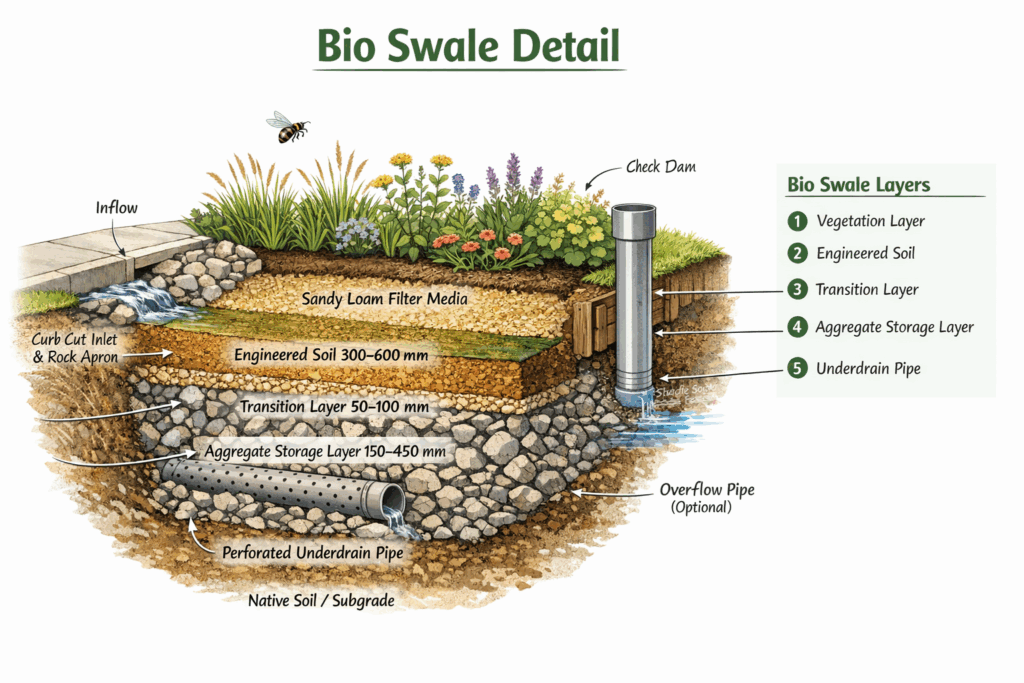
Bio swales are now a core component of modern sustainable drainage systems (SuDS), offering a practical, attractive and cost‑effective way to manage surface water. If you’re searching for bio swale detail, this guide breaks down every layer, dimension, material and design consideration you need—whether you’re an engineer, landscape architect, contractor or homeowner exploring green infrastructure.
The CivilWeb Swale Design Spreadsheet can save hours of repetitive calculations while ensuring compliance with CIRIA C753 SUDS Manual in the UK, CSIRO 1999 in Australia or MSMA in Malaysia, reliable accuracy and even optimisation tools which can save money on materials during the construction phase.
🌿 What Is a Bio Swale?
A bio swale (or bioswale) is a shallow, vegetated channel designed to convey, filter and infiltrate stormwater runoff. Unlike a simple ditch, a bio swale includes engineered soil, vegetation, and often a gravel storage layer or underdrain to improve water quality and reduce peak flows.
Key Functions
- Slows runoff and reduces peak flow
- Filters pollutants through vegetation and soil media
- Encourages infiltration into the ground
- Provides biodiversity and amenity value
- Reduces load on traditional drainage networks
🌱 Bio Swale Detail: Layer‑by‑Layer Breakdown
1. Surface Vegetation Layer
Purpose: Filtration, evapotranspiration, erosion control, biodiversity.
Typical Specification:
- - Native grasses, sedges, wildflowers, or low shrubs
- - Root depth: 150–300 mm
- - Species selected for drought tolerance and periodic inundation
Design Tips:
- - Avoid species that form dense mats that impede flow
- - Use erosion‑resistant planting at inlets and bends
2. Engineered Soil / Filter Media (300–600 mm)
Purpose: Pollutant removal, infiltration, plant support.
Typical Specification:
- - Sandy loam or loamy sand
- - Organic matter: 3–5%
- - Hydraulic conductivity: 10–50 mm/hr (site‑specific)
This layer is the primary treatment zone—where hydrocarbons, sediments and nutrients are captured.
3. Transition Layer (Optional, 50–100 mm)
A fine gravel or coarse sand layer used to prevent migration of soil into the stone storage layer.
4. Aggregate Storage Layer (150–450 mm)
Purpose: Temporary storage, infiltration, structural support.
Typical Specification:
- - 20–40 mm clean angular stone
- - Void ratio: 30–40%
- - Wrapped in geotextile (if required)
Depth depends on required attenuation volume
In low‑permeability soils, this layer may include an underdrain
5. Underdrain (If Required)
Purpose: Provide controlled discharge where infiltration is limited.
Typical Specification:
- - 100–150 mm perforated pipe
- - Laid at minimum 1:200 fall
- - Surrounded by clean stone
- - Wrapped in geotextile to prevent clogging
6. Subgrade / Native Soil
The infiltration performance of the subgrade determines whether the bio swale functions as:
Infiltrating, Partially infiltrating, or Non‑infiltrating (lined).
Where infiltration is poor, a geomembrane may be used to prevent groundwater contamination or protect adjacent structures.
📐 Bio Swale Geometry & Dimensions
Typical Cross‑Section:
- Top width: 1.0–3.0 m
- Base width: 0.3–1.0 m
- Side slopes: 1:3 to 1:6 (gentle for maintenance and safety)
- Longitudinal slope: 1–4% (use check dams if steeper)
- Ponding depth: 100–300 mm
Hydraulic Considerations:
- Maintain low flow velocities to prevent erosion
- Use check dams to increase residence time
- Provide overflow structures for extreme events
🛠️ Bio Swale Construction Detail (Step‑by‑Step)
1. Excavation
- - Excavate to design depth
- - Protect subgrade from compaction
2. Install Underdrain (if required)
- - Lay perforated pipe
- - Surround with clean stone
- - Wrap with geotextile
3. Place Aggregate Storage Layer
- - Level and compact lightly
- - Maintain design thickness
4. Add Transition Layer
- - Only if required by soil gradation
5. Install Filter Media
- - Place in lifts
- - Avoid over‑compaction
- - Grade to final surface profile
6. Planting
- - Install vegetation appropriate for wet/dry cycles
- - Mulch lightly to suppress weeds
7. Inlets & Outlets
- - Use curb cuts, swale inlets, or stone aprons
- - Provide overflow weirs or pipes
🌧️ Bio Swale Detail for Inlets & Check Dams
Inlet Detail
- - Stone apron or riprap to dissipate energy
- - Filter strip to trap sediment
- - Curb cut with 50–100 mm drop
Check Dam Detail
- - Timber, stone, or concrete
- - Height: 100–200 mm
- - Spacing: every 5–15 m depending on slope
- - Include a central notch for low flows
🌍 When to Use a Bio Swale
Bio swales are ideal for:
- - Road verges
- - Car parks
- - Residential developments
- - Industrial estates
- - Green corridors
- - Retrofit SuDS schemes
They are especially effective where space is limited but linear conveyance is needed.
📏 Bio Swale Detail: Example Specification Table
| Component | Typical Detail | Purpose |
| Vegetation | Native grasses/sedges | Filtration & erosion control |
| Filter Media | 300–600 mm sandy loam | Water quality treatment |
| Transition Layer | 50–100 mm sand/gravel | Prevent migration |
| Stone Layer | 150–450 mm clean stone | Storage & infiltration |
| Underdrain | 100–150 mm perforated pipe | Controlled discharge |
| Side Slopes | 1:3–1:6 | Stability & maintenance |
| Ponding Depth | 100–300 mm | Temporary storage |
🧪 Maintenance Requirements
Bio swales are low‑maintenance but not no‑maintenance.
Annual Tasks
- - Remove sediment at inlets
- - Replace dead vegetation
- - Inspect for erosion
- - Check underdrain outlets
- - Remove litter and debris
Every 3–5 Years
- - Light regrading
- - Mulch replacement
- - Vegetation thinning
🎯 Conclusion: Why Bio Swale Detail Matters
A well‑designed bio swale is more than a ditch with plants—it’s a carefully engineered SuDS component that manages water quantity, improves water quality, and enhances landscape value. Getting the bio swale detail right ensures long‑term performance, easier maintenance, and compliance with SuDS guidance.
Get Started Today
Save hours of repetitive calculation time. Whether you’re working on a major project or a small renovation, this tool will give you clarity, accuracy, and confidence.
Buy the CivilWeb Swale Design Spreadsheet now for only £19.99.
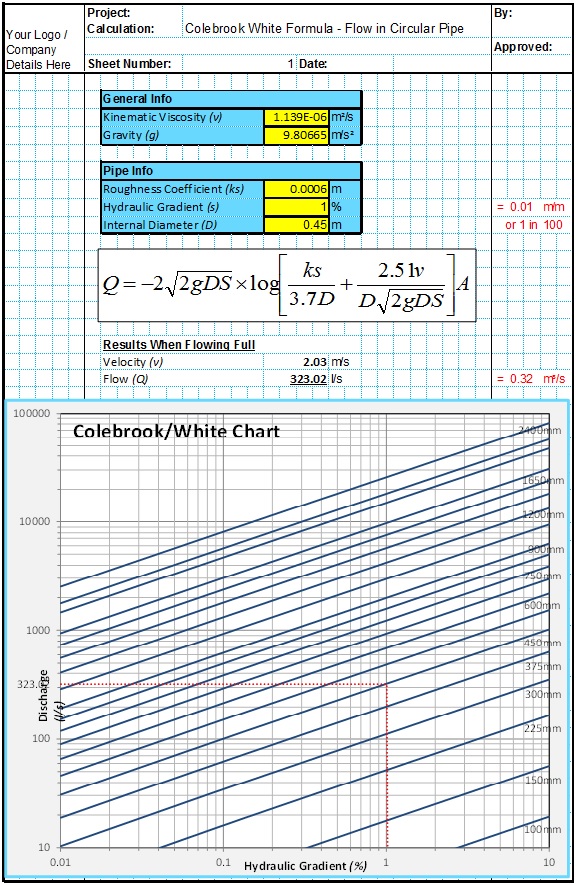
PIPE FLOW CALCULATOR
This spreadsheet uses the Colebrook-White and Manning Equations to calculate the flow capacity and velocity in pipes acting under gravity.
Find Out More
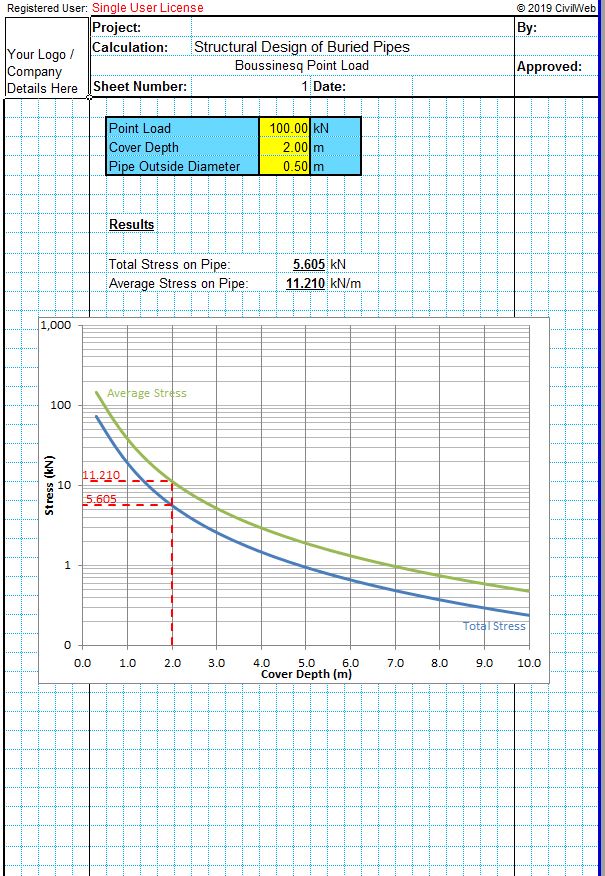
Buried Pipe Design Spreadsheet
This spreadsheet can be used to design concrete, steel, plastic and other buried pipes in accordance with BS EN 1295-1.
Learn More
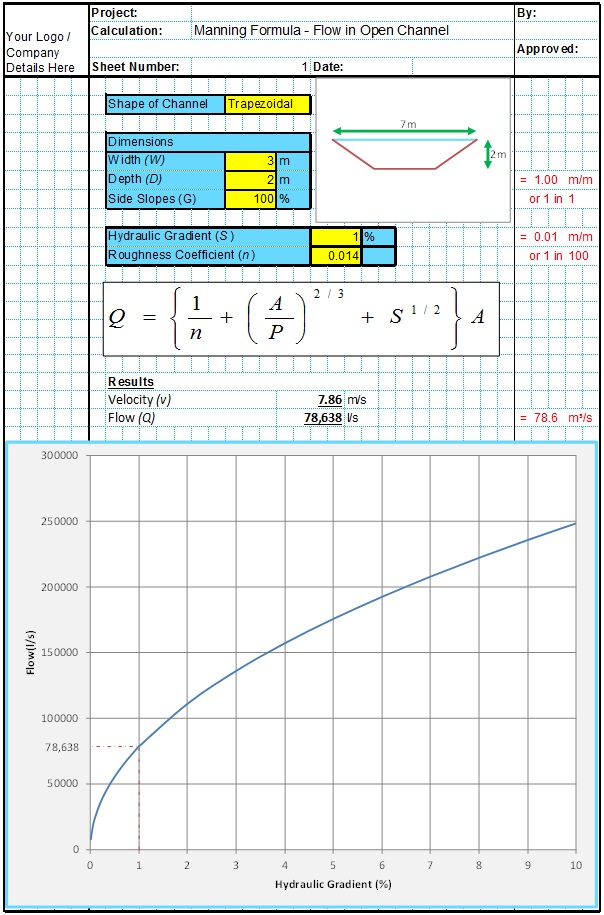
Manning Open Channel Design Spreadsheet
This spreadsheet uses the Manning formula to calculate the flow conditions in an open channel acting under gravity only.
Learn More
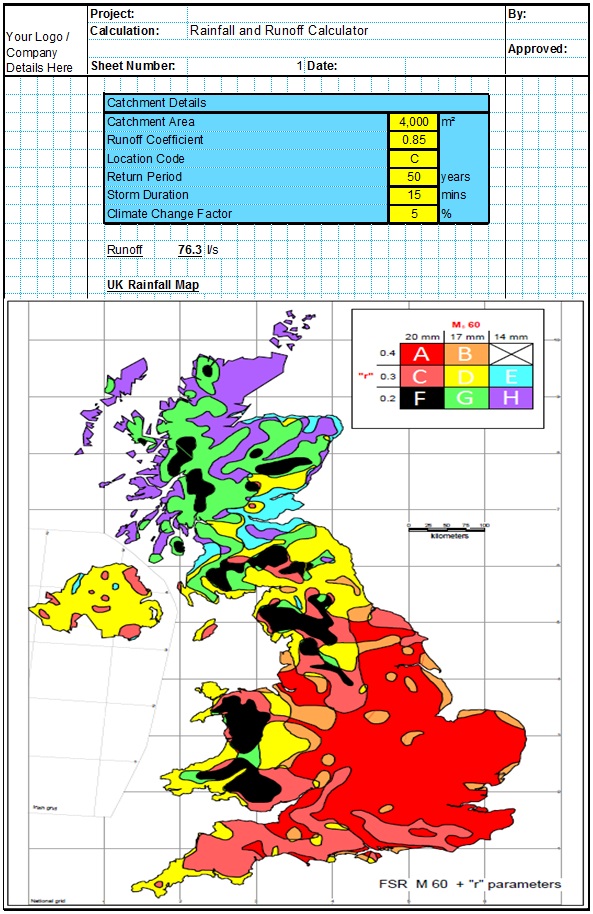
Runoff Calculator Spreadsheet
This spreadsheet calculates the design runoff flow for a site in accordance with the Flood Estimation Handbook.
Learn More
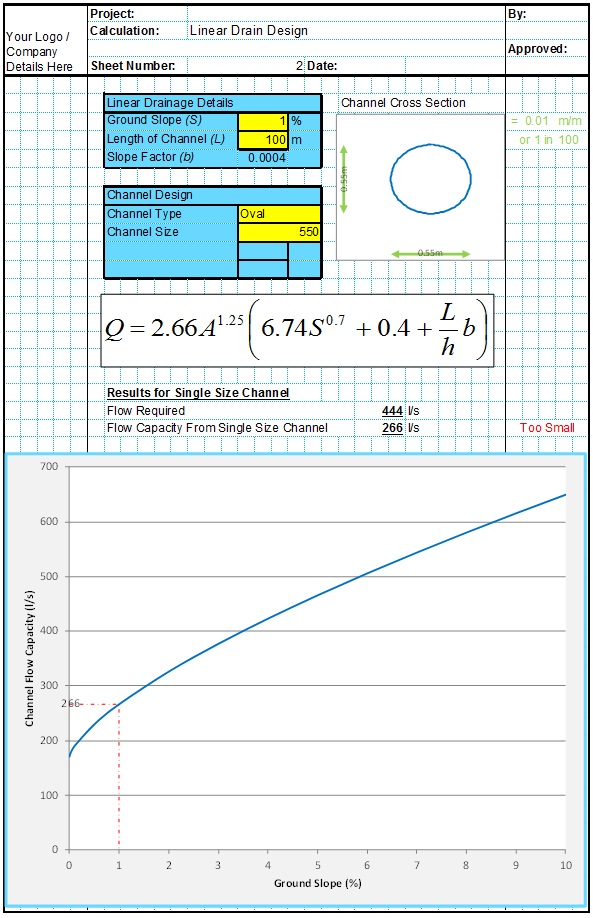
Linear Drainage Design Spreadsheet
This spreadsheet calculates the maximum flow from a specified linear drainage channel and checks whether the channel is sufficient for the specified site and storm conditions.
Learn More
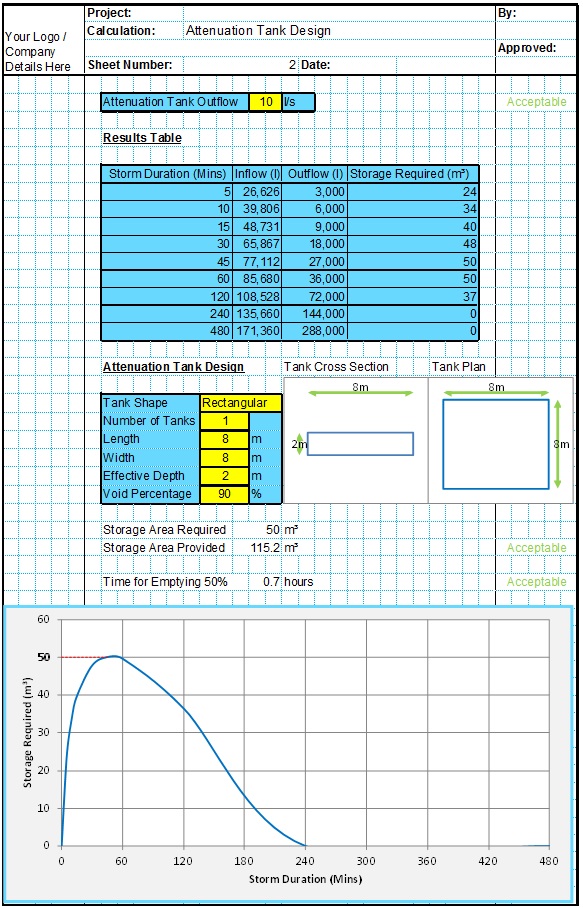
Attenuation Design Spreadsheet
This spreadsheet calculates the requirements for a attenuation system and assists the user to design a suitable system.
Learn More
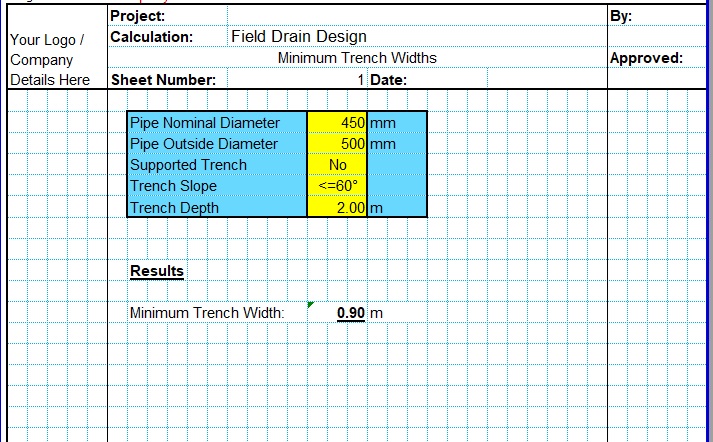
Field Drain Design Spreadsheet
This spreadsheet can be used to design field drains, typically subsurface drainage systems used to drain fields and open areas.
Learn More
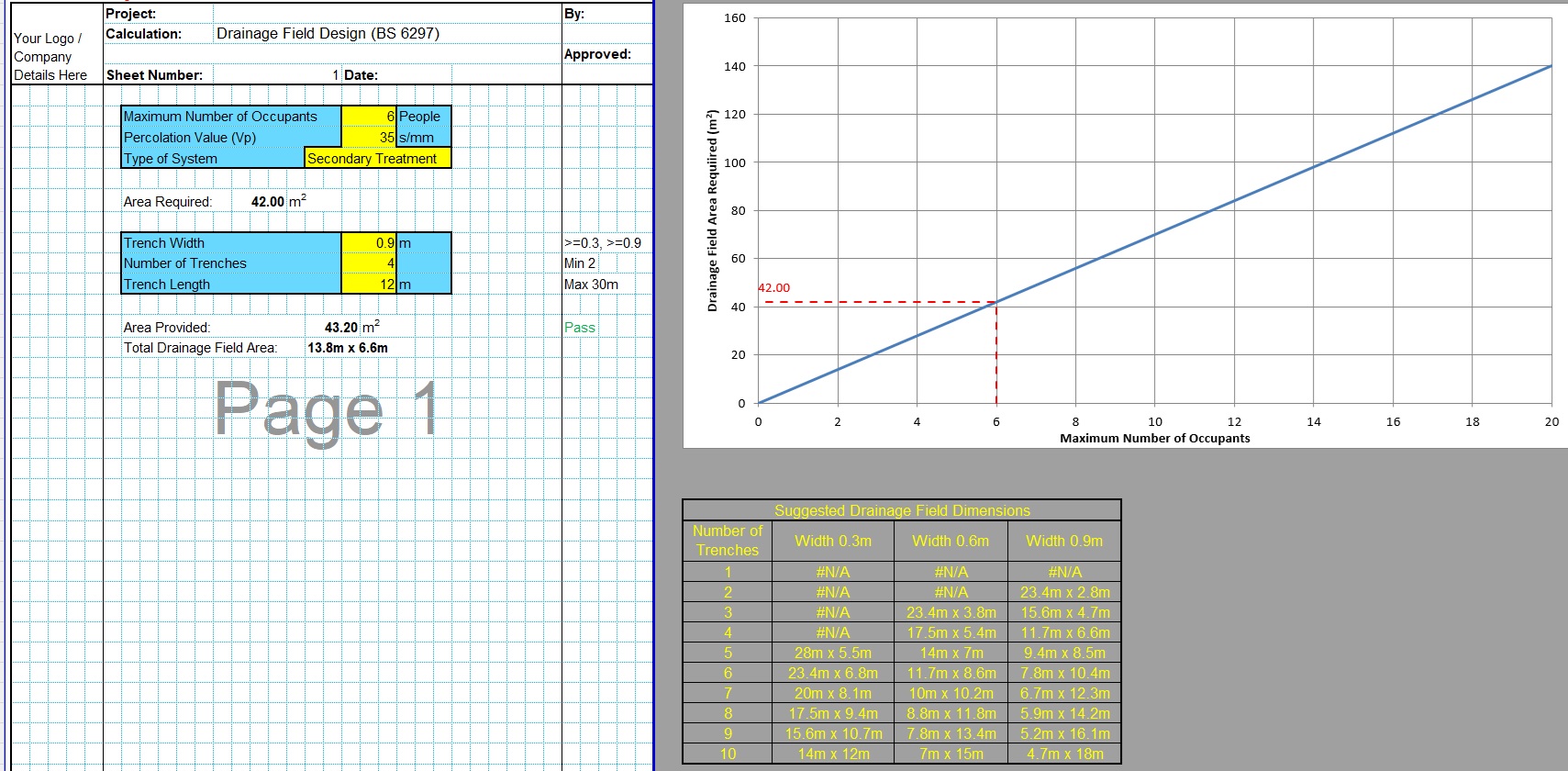
Drainage Field Design Spreadsheet
This spreadsheet can be used to design septic infiltration systems known as drainage fields, leach fields or septic drain fields.
Learn More
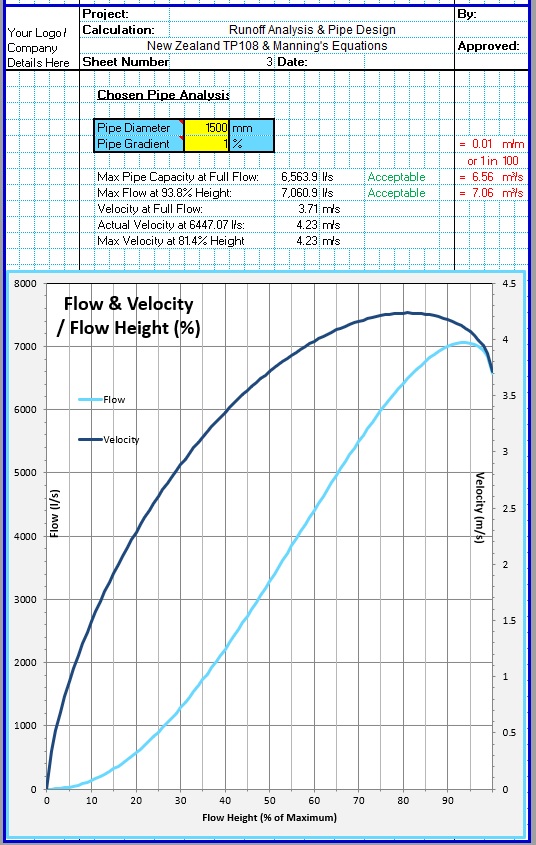
TP108 Spreadsheet
This spreadsheet calculates the rainfall for New Zealand catchments in accordance with TP108.
Learn More
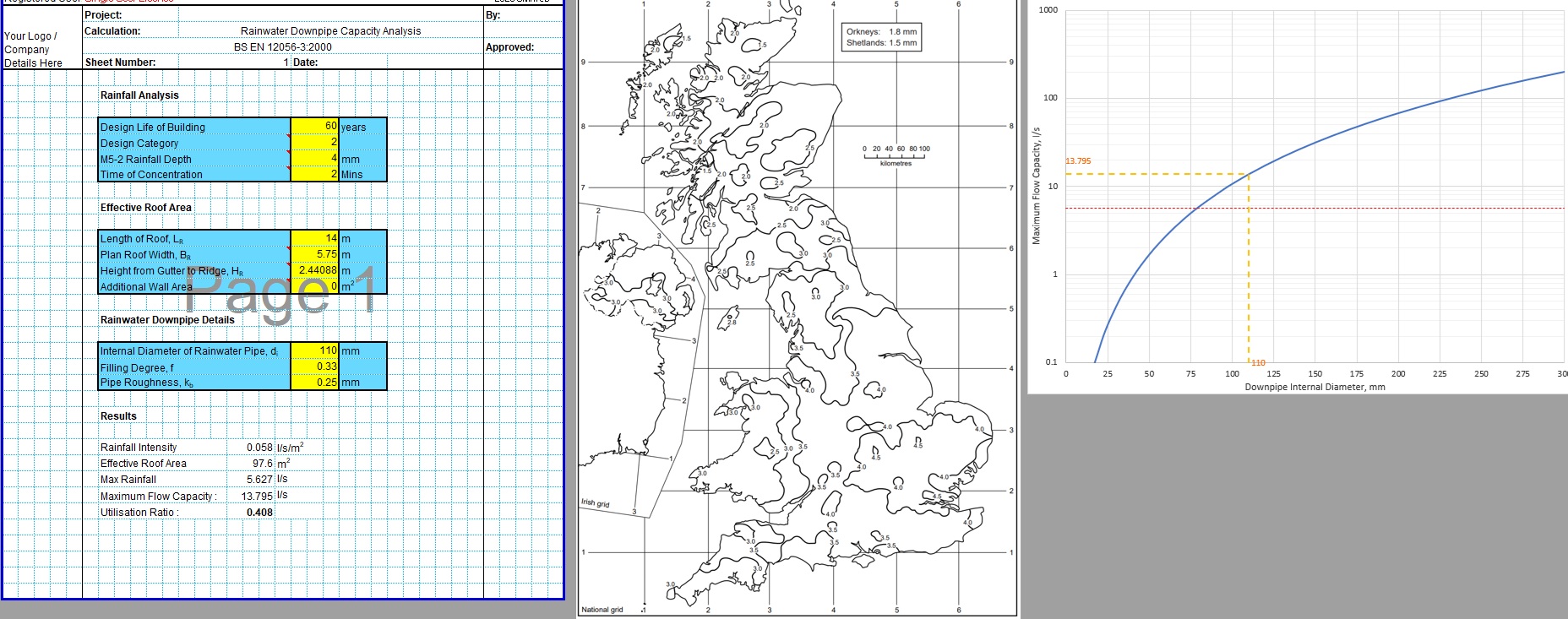
Roof Downpipe Calculator Spreadsheet
This spreadsheet calculates the size of roof drainage downpipes depending on the roof catchment and rainfall requirements.
Learn More
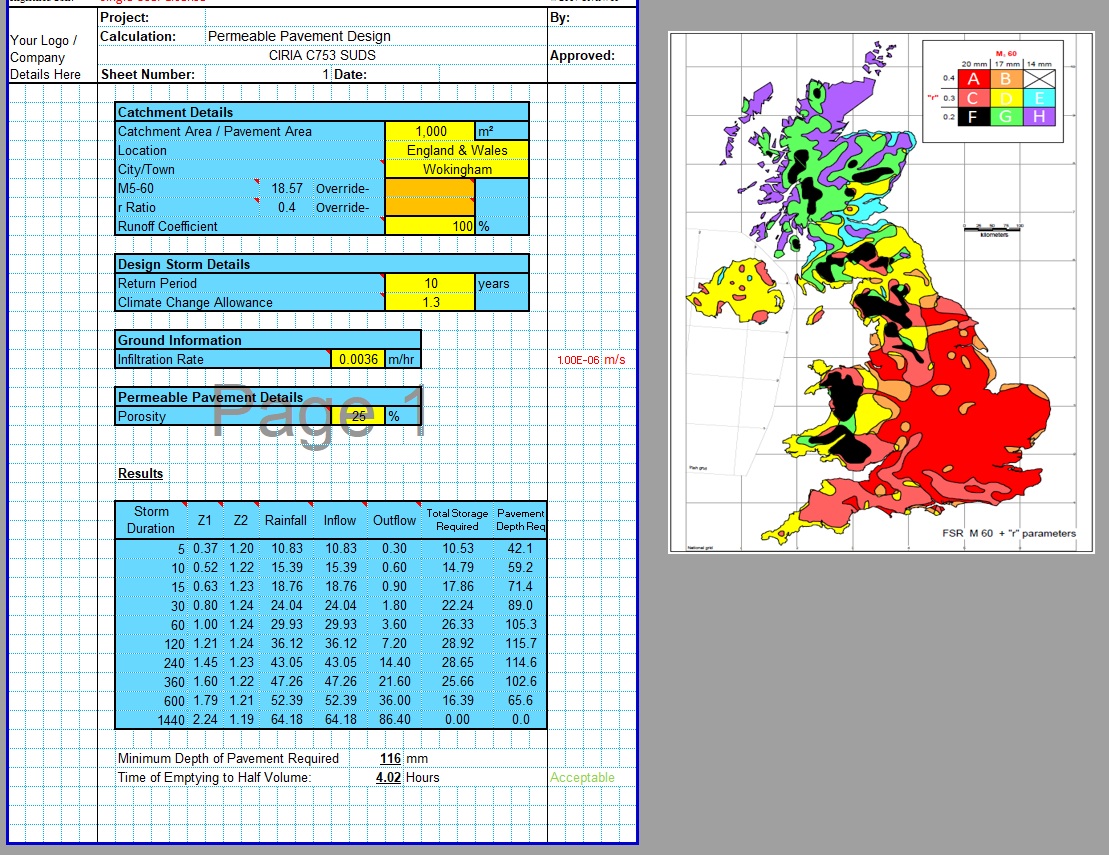
Permeable Pavement Design Spreadsheet
This spreadsheet is designed to determine the size and characteristics of permeable pavements.
Learn More
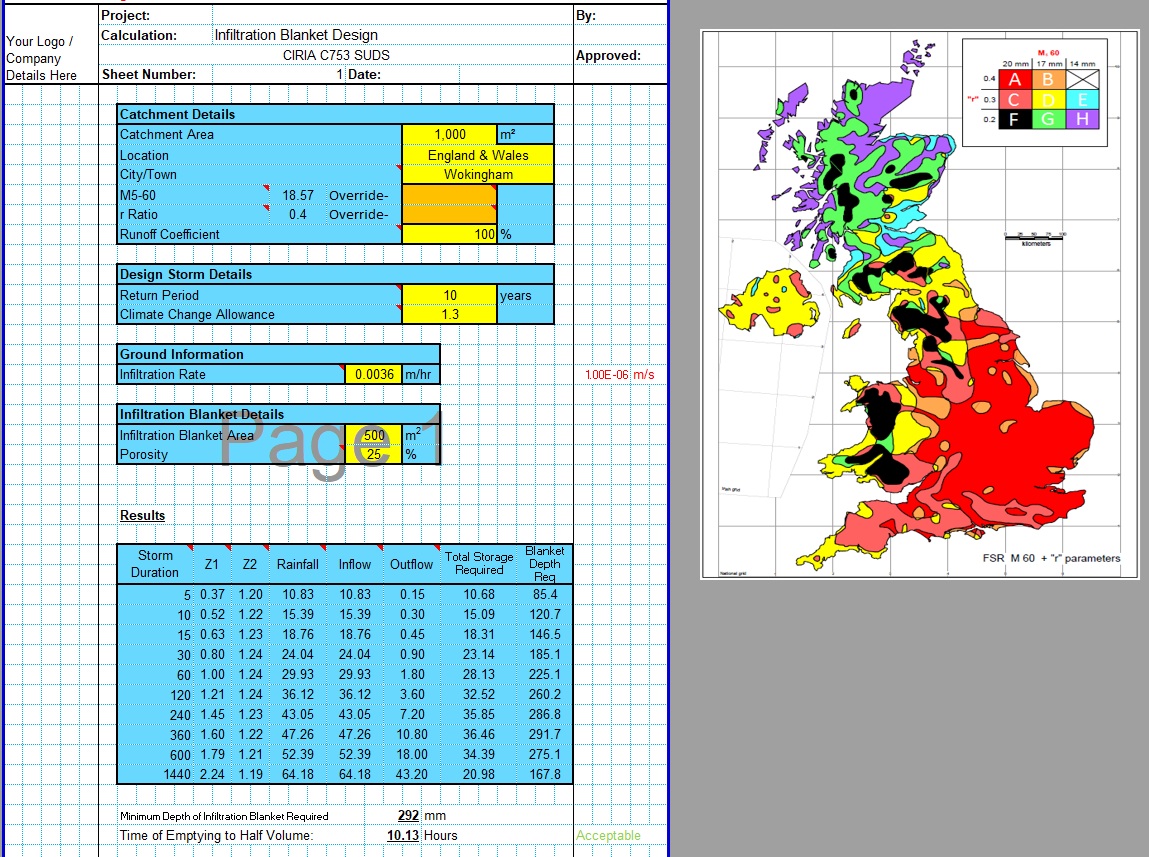
Infiltration Blanket Design Spreadsheet
This spreadsheet can be used to design thin depth infiltration systems, typically called infiltration blanket systems.
Learn More
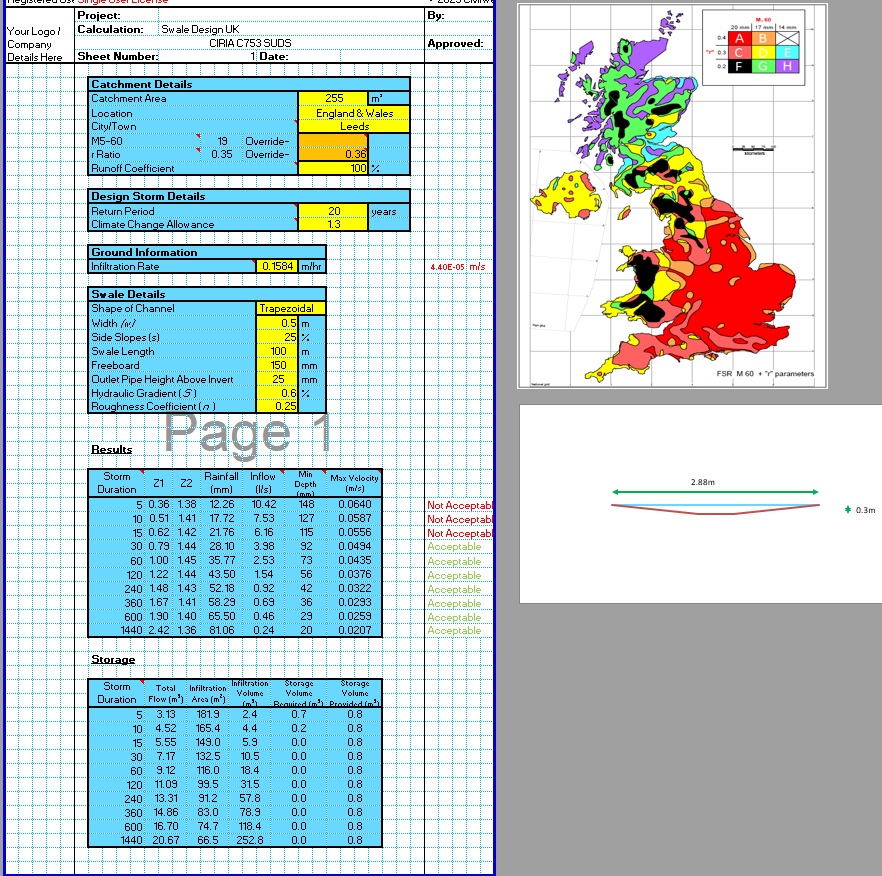
Swale Design Spreadsheet
This spreadsheet can be used to design swales. These linear grassed channels can be used both to convey, infiltrate and filter surface drainage runoff.
Learn More
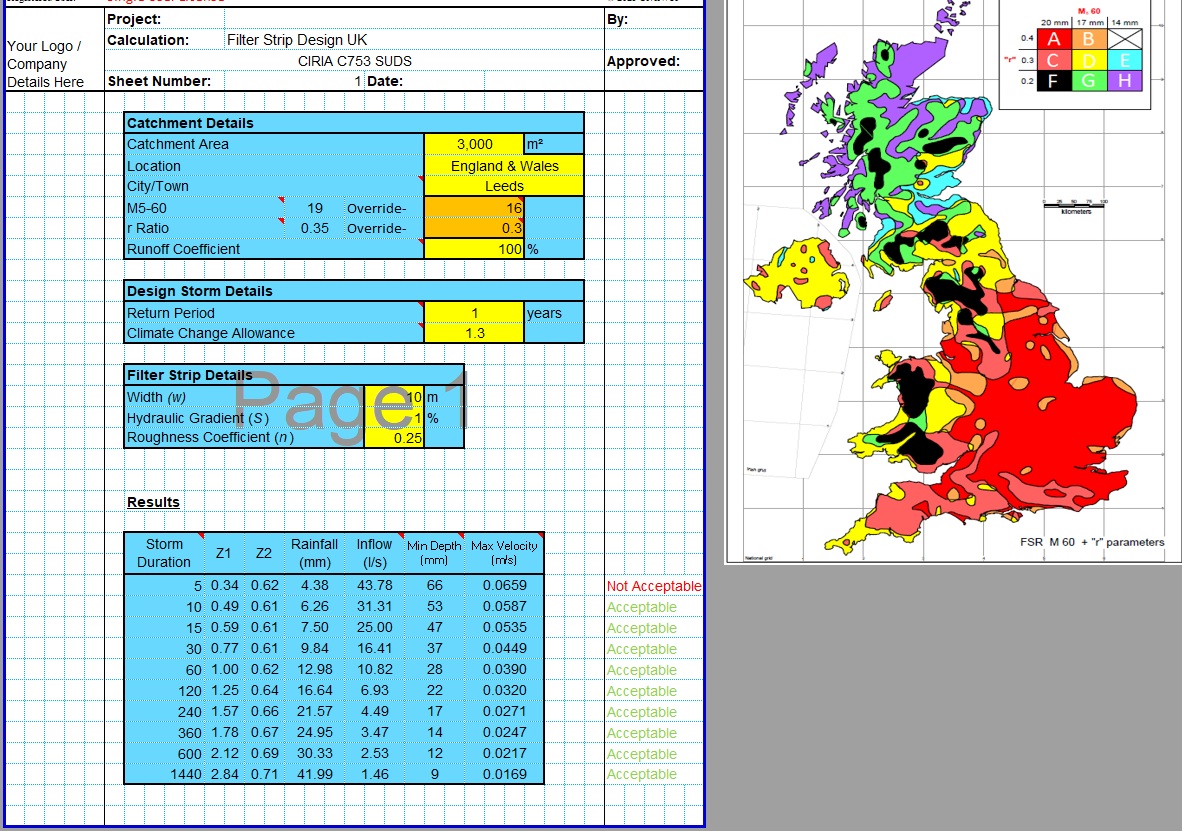
Filter Strip Design Spreadsheet
This spreadsheet is designed to analyse surface water filter strips and to determine the max flow depth and max flow velocity and determine whether they are in accordance with relevant standards.
Learn More

Hydraulic Gradient Analysis Spreadsheet
This spreadsheet analyses the hydraulic and energy grade lines for drainage systems with up to 10 drainage runs.
Learn More
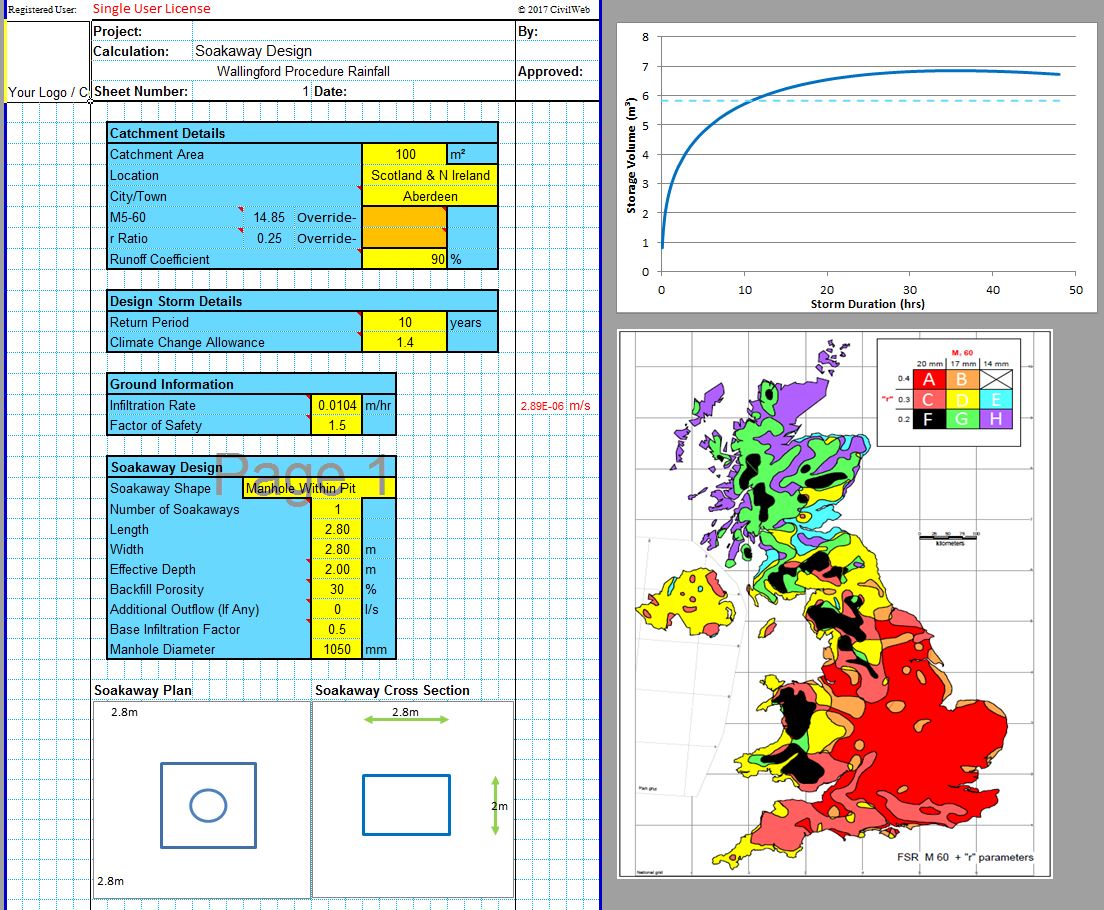
Soakaway Design Spreadsheet
This spreadsheet calculates the requirements for a soakaway system and assists the user to design a suitable system.
Learn More
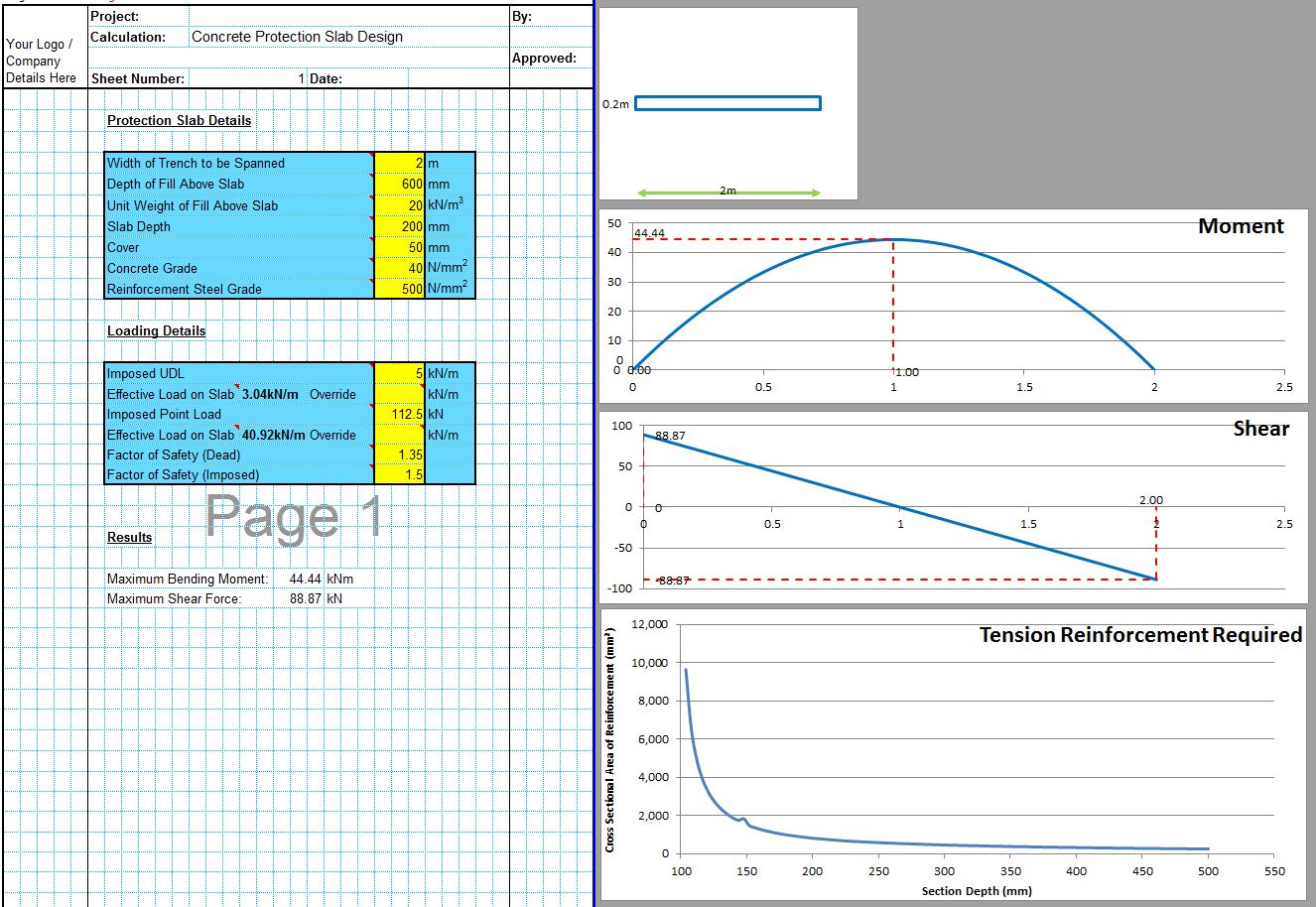
Concrete Protection Slab
This detailed design spreadsheet designs a protection slab commonly installed to protect shallow pipes.
Learn More
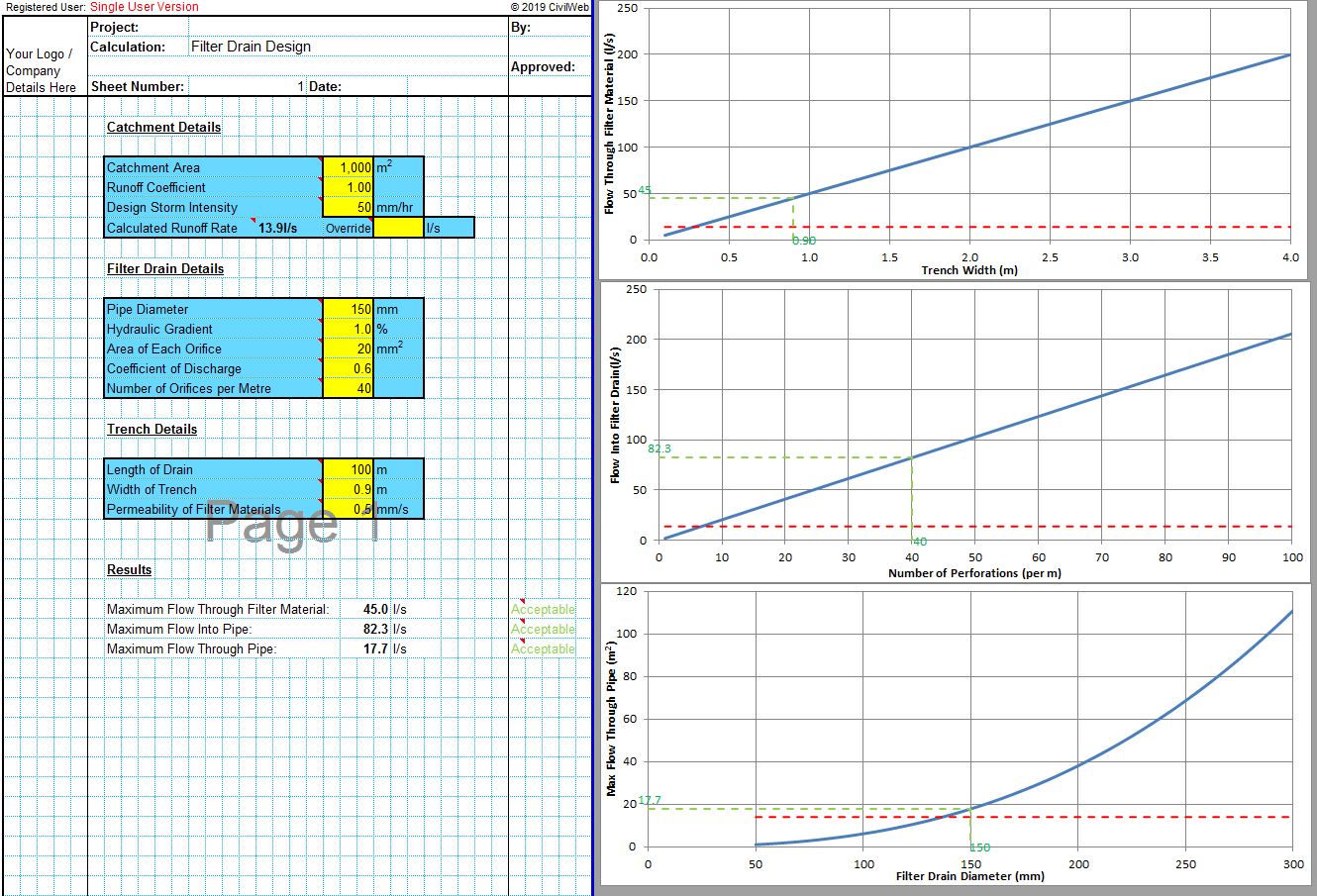
French Drain Design
This spreadsheet completes French Drain Design in accordance with the SUDS Manual.
Learn More
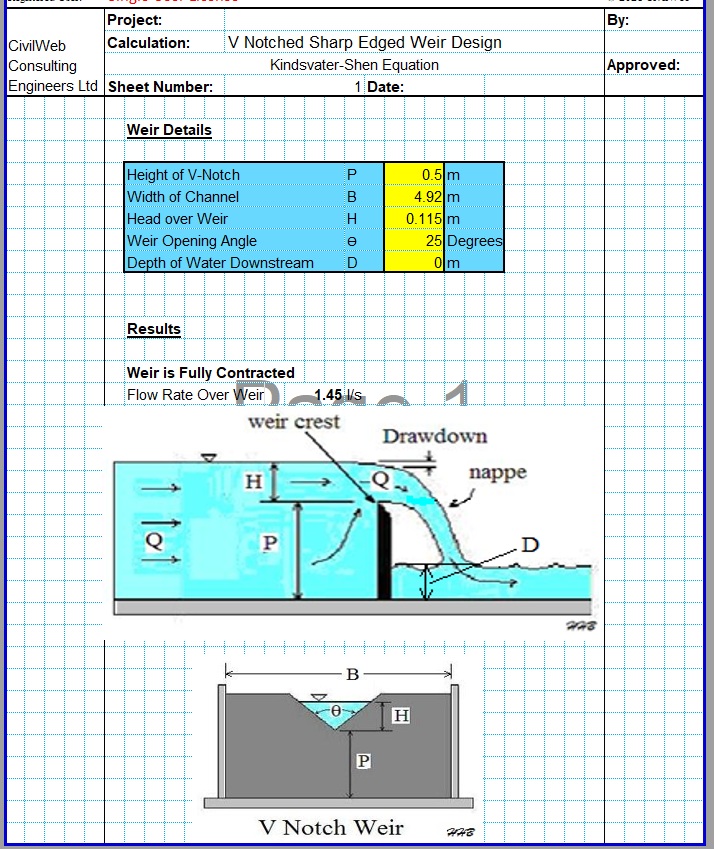
Sharp Crested Weir Flow Calculator Spreadsheets
This suite of 5 separate spreadsheets calculates the flow over sharp crested weirs of all shapes and sizes.
Learn More
Drainage Design Spreadsheet
This is the full suite of drainage design spreadsheets, available at a massive discount for only £49.99.