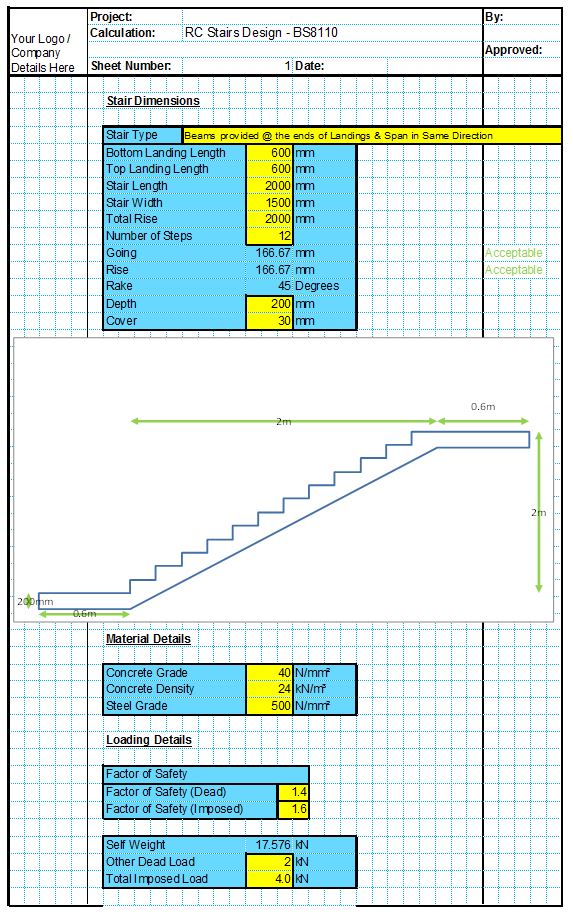
Chemical anchors are installed retroactively into existing concrete surfaces. Instead of a mechanical anchoring device, they are anchored using a grout or resin installed in the annulus between the bolt and a hole drilled into the concrete surface. The CivilWeb Concrete Anchorage Design Spreadsheet can be used to complete all the required calculations for chemical anchors in accordance with BS EN 19922-4. Some typical examples of chemical anchors are shown in the diagram below.

Chemical Anchors in Tension – Design Verifications Required
The following design verification checks are required for chemical anchors according to BS EN 1992-4. All these checks can be completed using the CivilWeb Concrete Anchorage Design Spreadsheet. Follow the links below for detailed explanations of how the spreadsheet calculates each design check.
- Steel Bolt Failure
- Combined Concrete Cone Failure and Anchor Bolt Pullout Failure
- Concrete Cone Failure
- Concrete Splitting Failure
These verifications are also shown in the below table.

Chemical Anchors in Shear – Design Verifications Required
The following design checks are required for chemical anchors under shear loading;
- Steel Bolt Failure in Shear Without Lever Arm
- Steel Bolt Failure in Shear With Lever Arm
- Concrete Edge Failure
- Concrete Pryout Failure
These verifications are also shown in the below table.

Get your copy of the CivilWeb Concrete Anchorage Design Spreadsheet now for only £20.
Download Free Trial Version
To try out a fully functional free trail version of this software, please Click Here or enter your email address below to sign up to our newsletter.
Other Reinforced Concrete Design Spreadsheets From CivilWeb….
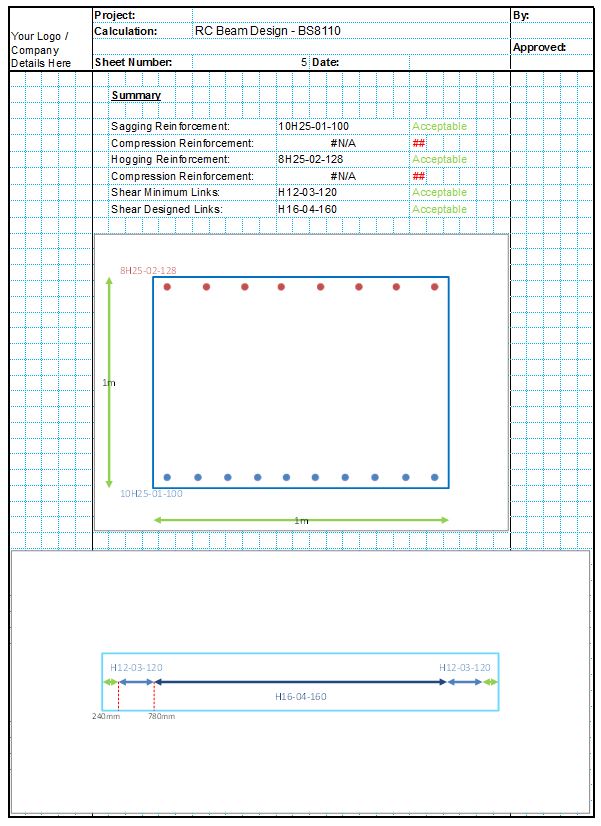
Concrete Beam Design
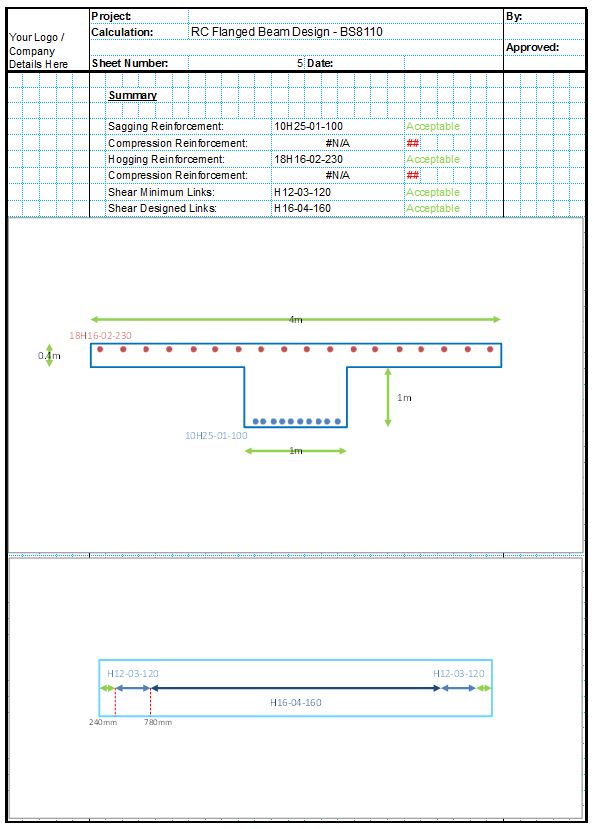
T Shaped Concrete Beam Design
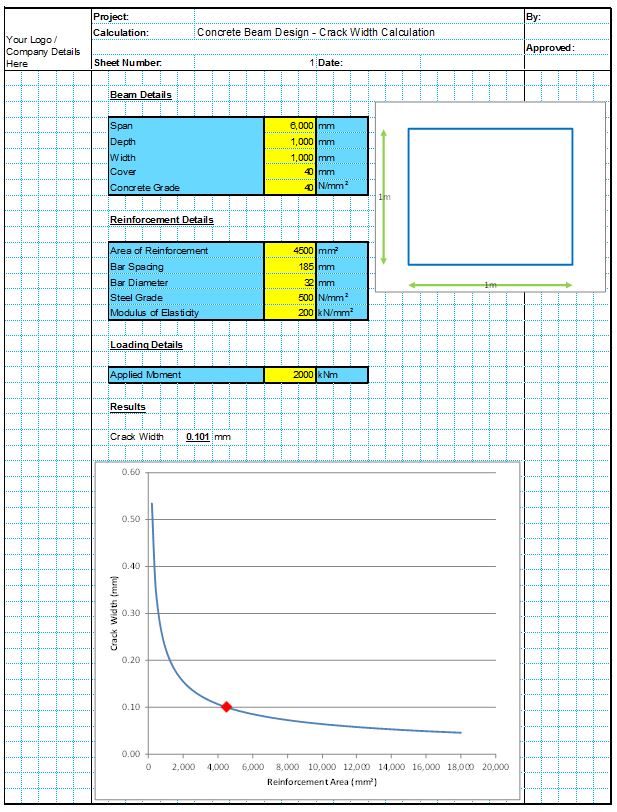
Concrete Beam Crack Width Calculation
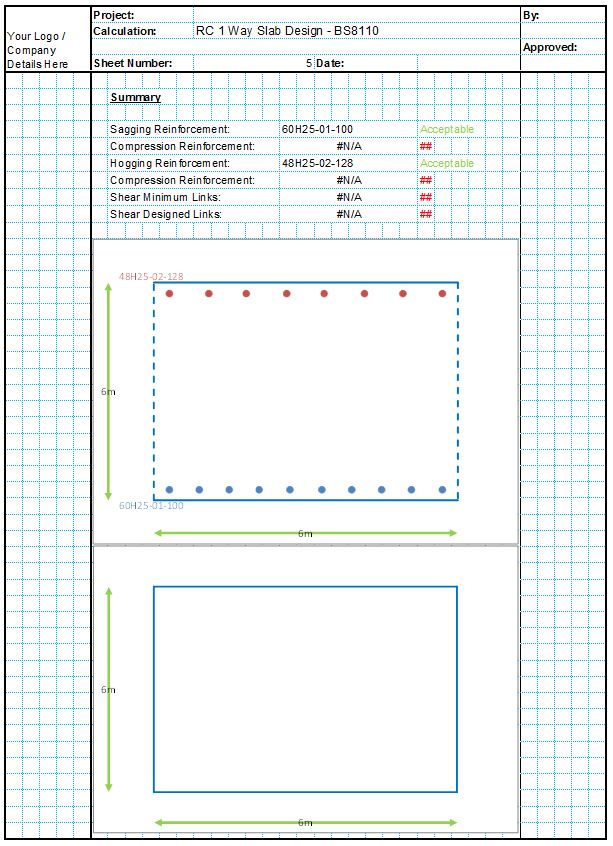
1 Way Spanning Concrete Slab Design
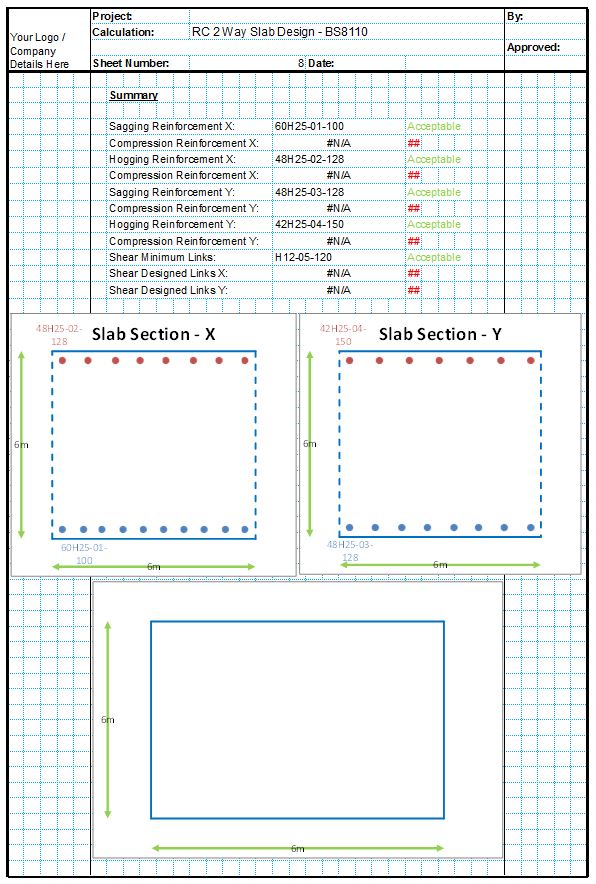
2 Way Spanning Concrete Slab Design
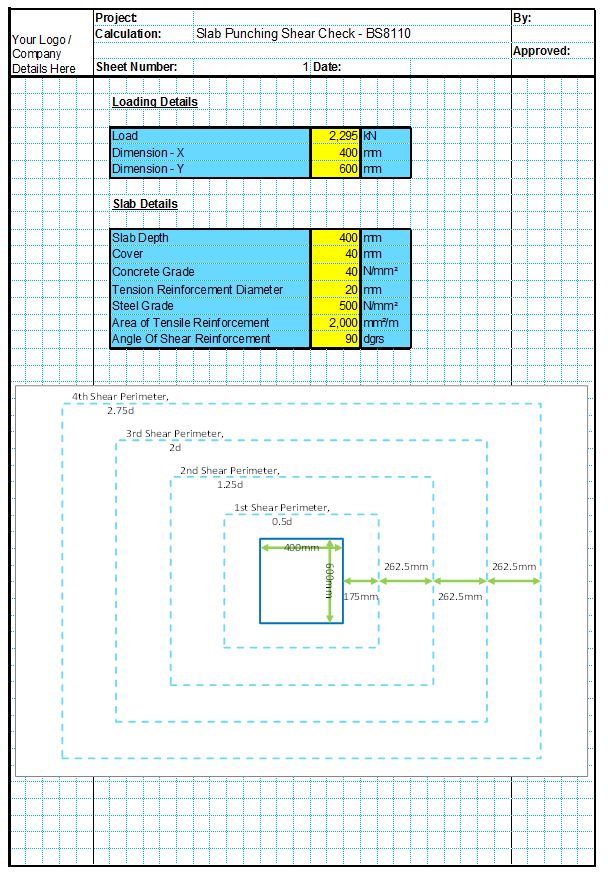
Concrete Slab Punching Shear Design