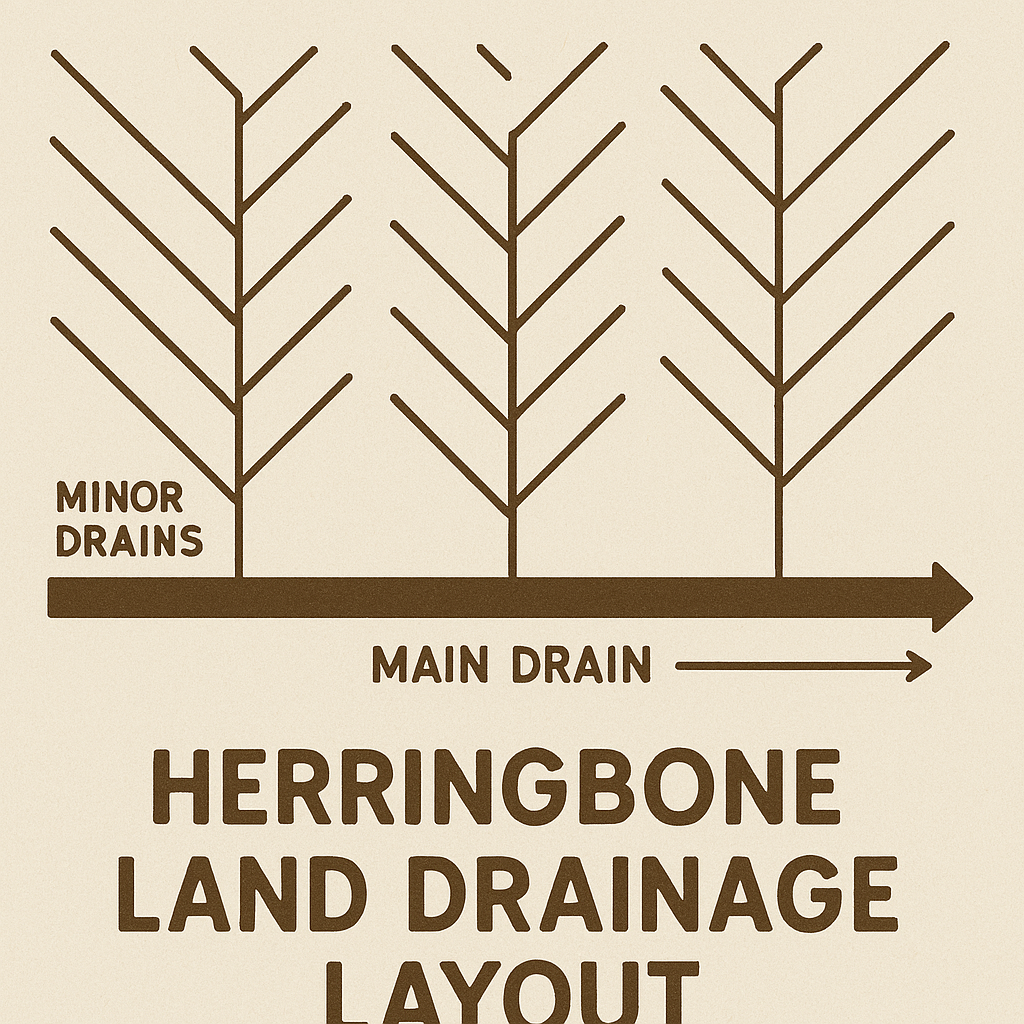
A herringbone land drainage system is one of the most efficient ways to remove excess water from lawns, gardens, and small fields, especially in areas with persistent waterlogging. It uses a central collector drain with angled lateral pipes arranged like a fishbone, allowing water to be captured from multiple directions and channelled toward a soakaway or outlet.
The CivilWeb Field Drain Design Spreadsheet can be used to accurately and quickly design all kinds of field drains.
🌿 Why Herringbone Drainage Works Well
A herringbone layout is designed to maximise water interception across a wide area. The central pipe runs along the lowest point of the site, while lateral pipes feed into it at angles. This pattern ensures that water is collected evenly, even on irregular or sloped ground. It is particularly useful in the UK, where high rainfall and clay soils often lead to saturated lawns and gardens.
Key advantages include:
- Efficient collection of water from multiple directions.
- Ideal for medium-sized lawns and landscaped areas.
- Works well in clay or poorly draining soils.
- Reduces waterlogging that can damage plants, turf, and foundations.
🧱 Components of a Herringbone Land Drainage System
A typical system includes:
- **Main collector drain** — laid along the natural fall of the land.
- **Lateral drains** — smaller perforated pipes feeding into the main drain at angles.
- **Perforated drainage pipe** — usually 80mm for domestic gardens.
- **Geotextile filter socks or wrap** — prevents silt from entering the pipe.
- **Clean angular stone** — surrounds the pipe to promote flow and prevent clogging.
Some commercial kits are designed specifically for herringbone layouts, such as 80mm garden drainage packs that include perforated pipe, Y‑junctions, end caps, and geotextile socks. These can drain areas up to around 240m².
📐 How to Design a Herringbone Drainage System
1. Assess the Site
Identify the lowest point of the garden and the direction of natural water flow. This determines the position of the main drain.
2. Set the Main Drain
Install the main pipe along the lowest line of the site with a gentle fall toward the outfall. A typical gradient is 1:100 to 1:200.
3. Add Lateral Drains
Install lateral pipes at 45° angles feeding into the main drain. Spacing depends on soil type:
- Clay soils: closer spacing for better capture.
- Sandy soils: wider spacing is acceptable.
4. Use Proper Backfill
Surround pipes with clean stone and wrap with geotextile to prevent siltation.
5. Provide a Suitable Outfall
Direct water to:
🌧️ When to Choose a Herringbone System
This layout is ideal when:
- The garden suffers from widespread waterlogging.
- Water needs to be collected from multiple directions.
- The area is too large for a single linear drain.
- The soil is dense or clay-based, causing slow infiltration.
It is less suitable for:
- Very small areas (a single linear drain may suffice).
- Sites with no viable outfall.
- Areas where tree roots may interfere with pipework.
🛠️ Installation Tips
- Keep the main drain on the natural fall of the land.
- Ensure all lateral pipes connect at consistent angles.
- Avoid sharp bends that may trap silt.
- Use junctions rather than forcing pipes to bend.
- Install inspection points where practical for maintenance.
💷 Cost Considerations
Costs vary depending on depth, soil type, and access, but herringbone systems are generally cost‑effective for medium‑sized gardens. Pre‑packaged kits can simplify installation and reduce waste by providing the correct pipe sizes and fittings.
🌱 Final Thoughts
A herringbone land drainage system is a reliable, efficient, and time‑tested method for dealing with waterlogged ground. Its fishbone layout ensures even water capture, making it ideal for UK gardens with clay soils or poor natural drainage. With proper design, installation, and a suitable outfall, it can transform a soggy lawn into a usable, healthy landscape.
The CivilWeb Field Drain Design Spreadsheet can be used to accurately and quickly design all kinds of field drains.
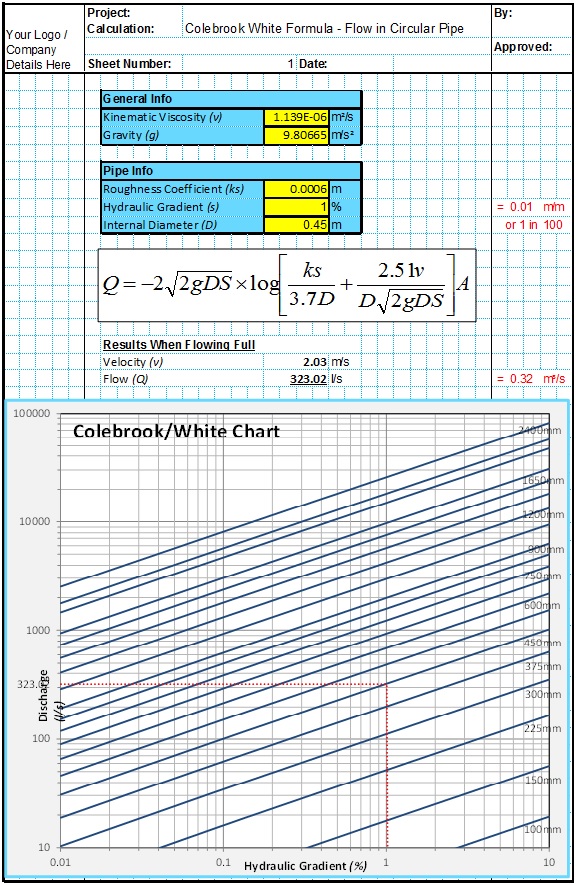
PIPE FLOW CALCULATOR
This spreadsheet uses the Colebrook-White and Manning Equations to calculate the flow capacity and velocity in pipes acting under gravity.
Find Out More
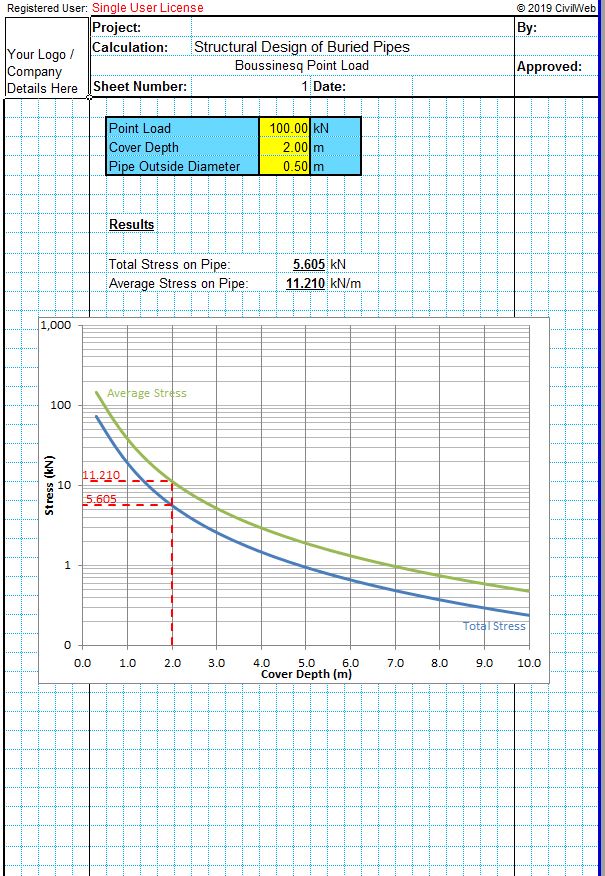
Buried Pipe Design Spreadsheet
This spreadsheet can be used to design concrete, steel, plastic and other buried pipes in accordance with BS EN 1295-1.
Learn More
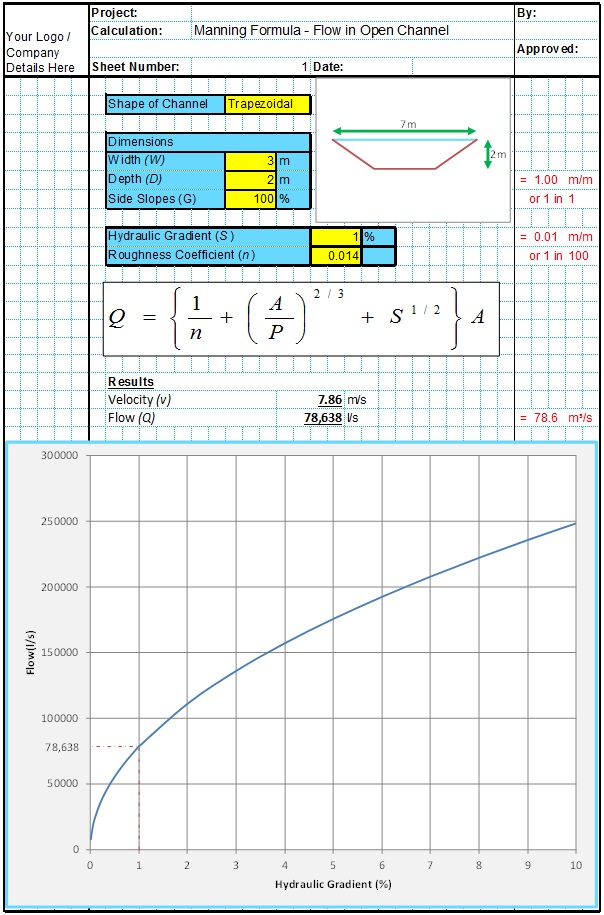
Manning Open Channel Design Spreadsheet
This spreadsheet uses the Manning formula to calculate the flow conditions in an open channel acting under gravity only.
Learn More
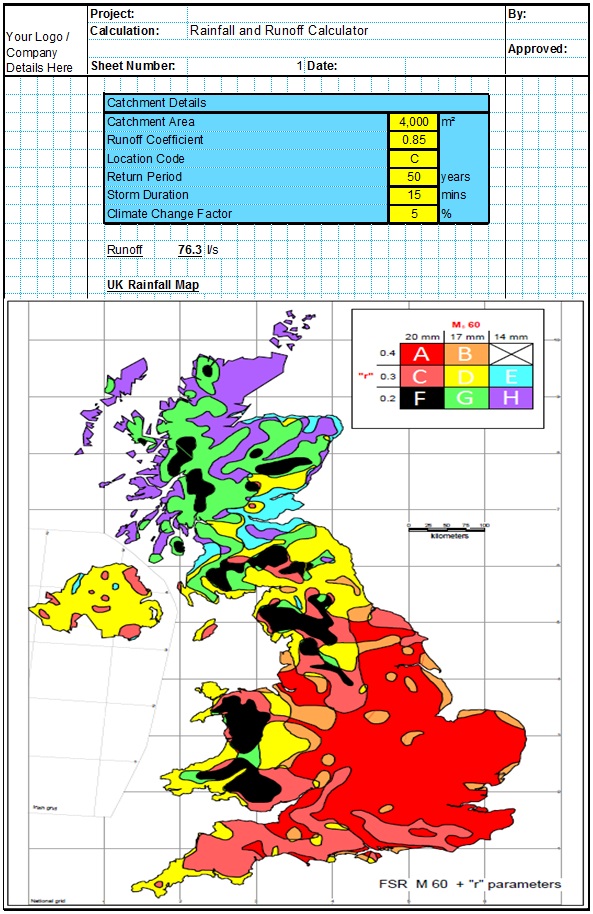
Runoff Calculator Spreadsheet
This spreadsheet calculates the design runoff flow for a site in accordance with the Flood Estimation Handbook.
Learn More
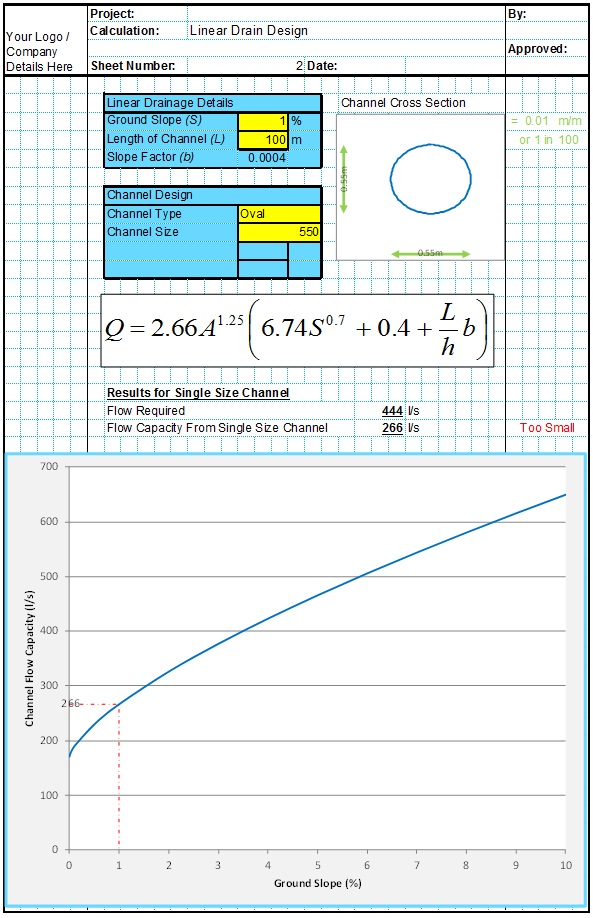
Linear Drainage Design Spreadsheet
This spreadsheet calculates the maximum flow from a specified linear drainage channel and checks whether the channel is sufficient for the specified site and storm conditions.
Learn More
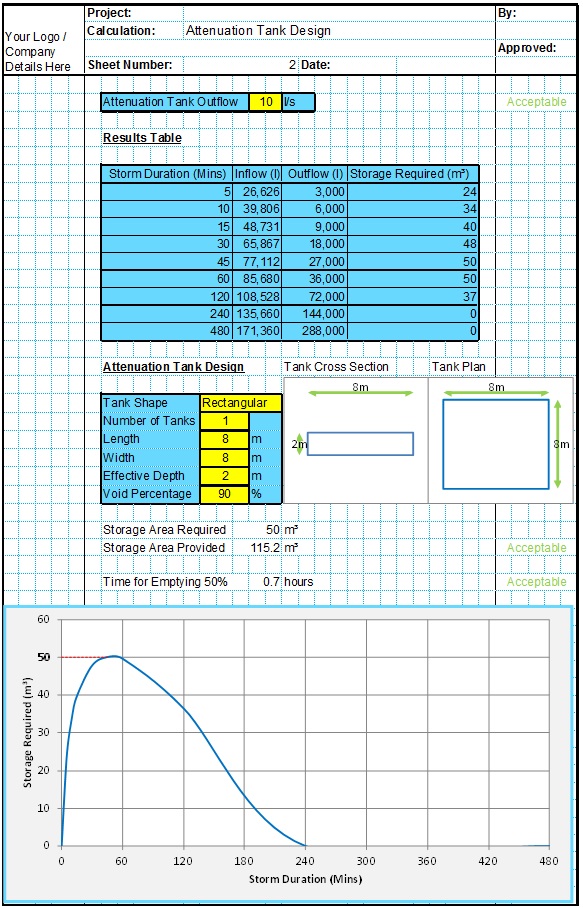
Attenuation Design Spreadsheet
This spreadsheet calculates the requirements for a attenuation system and assists the user to design a suitable system.
Learn More
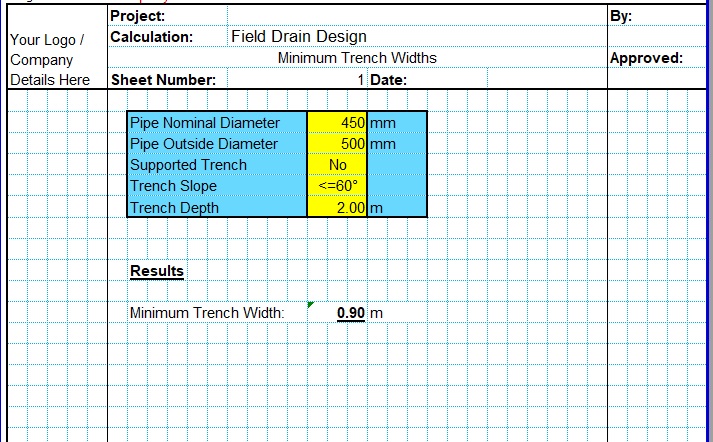
Field Drain Design Spreadsheet
This spreadsheet can be used to design field drains, typically subsurface drainage systems used to drain fields and open areas.
Learn More
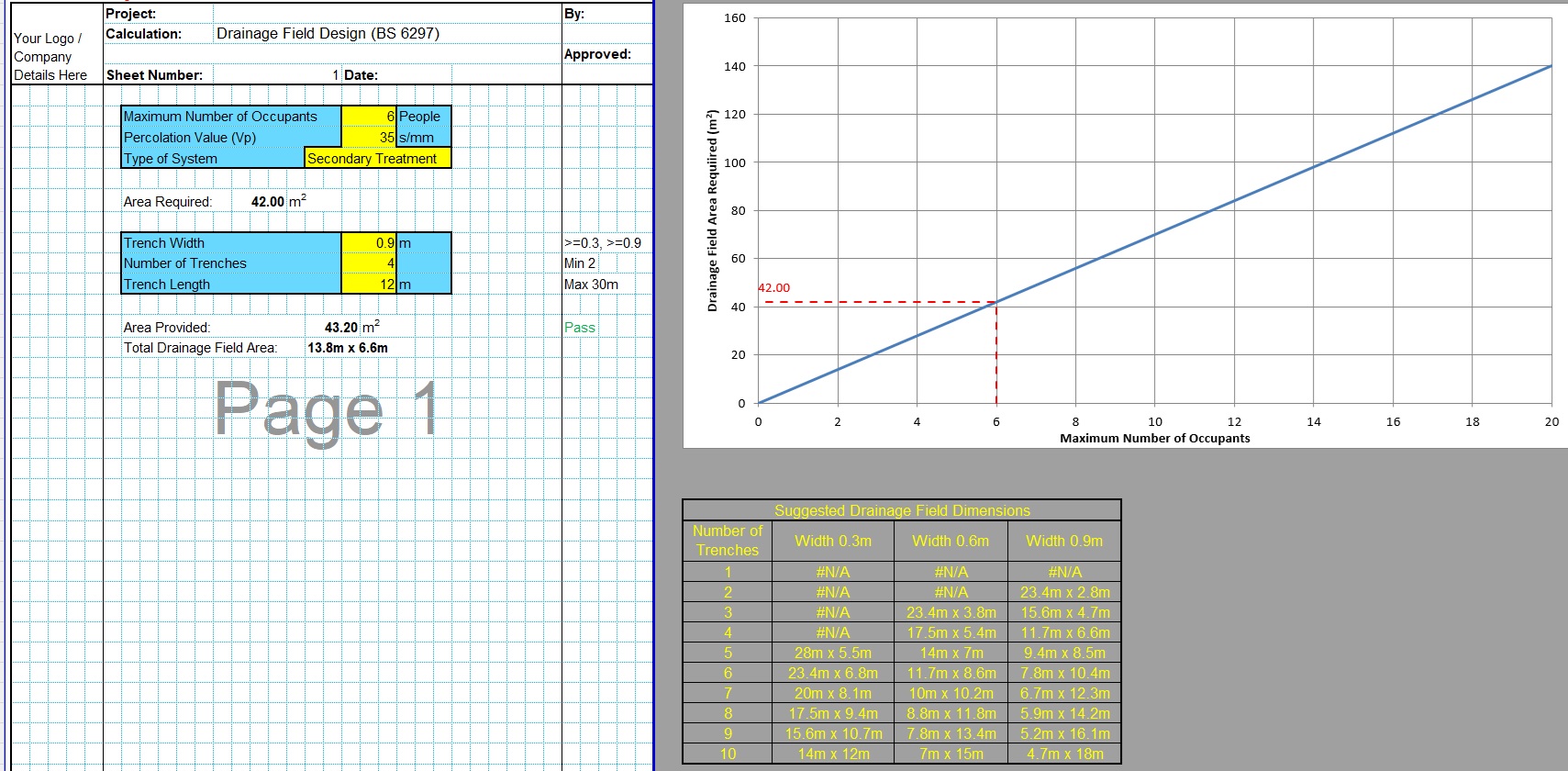
Drainage Field Design Spreadsheet
This spreadsheet can be used to design septic infiltration systems known as drainage fields, leach fields or septic drain fields.
Learn More
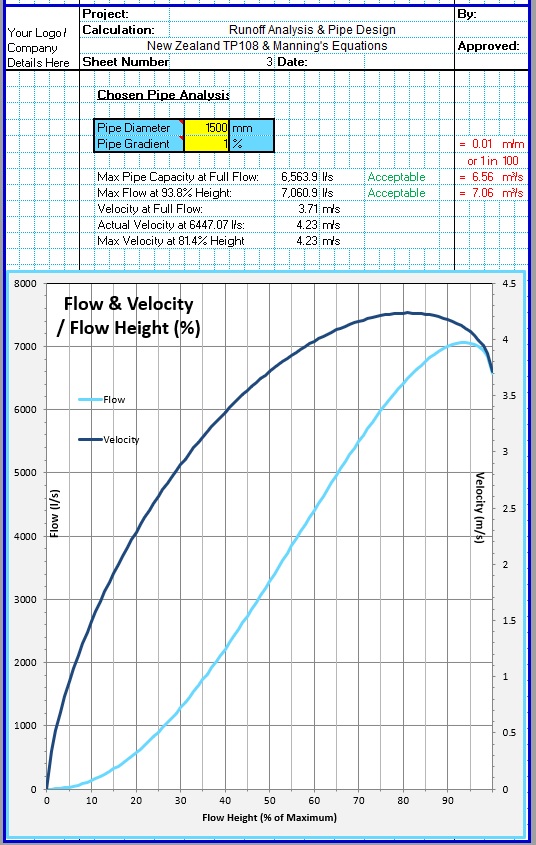
TP108 Spreadsheet
This spreadsheet calculates the rainfall for New Zealand catchments in accordance with TP108.
Learn More
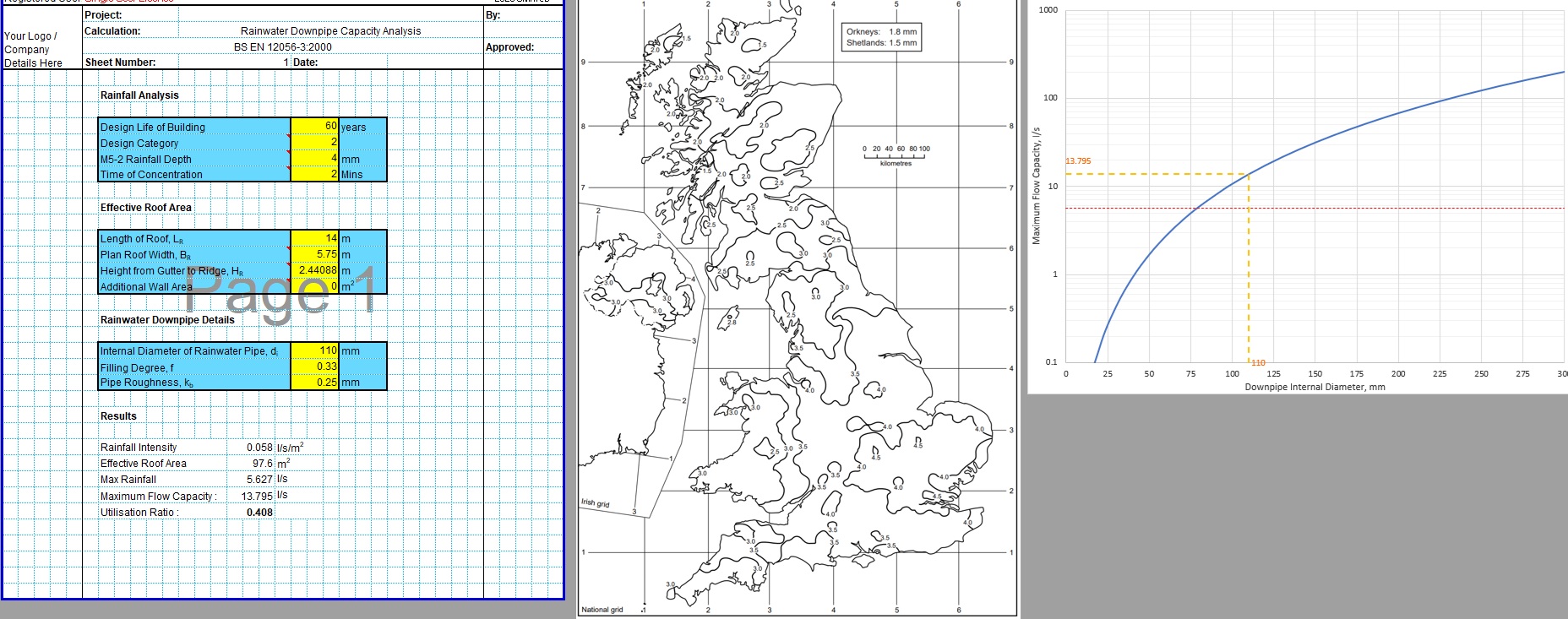
Roof Downpipe Calculator Spreadsheet
This spreadsheet calculates the size of roof drainage downpipes depending on the roof catchment and rainfall requirements.
Learn More
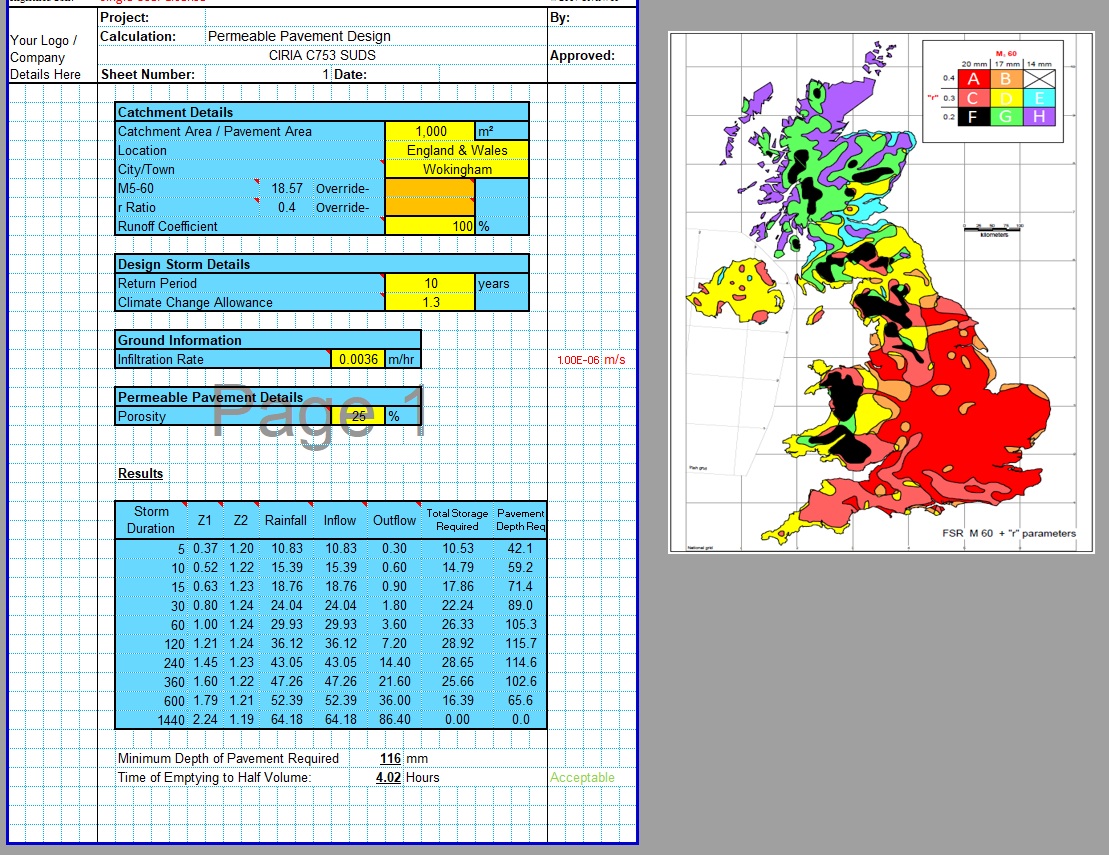
Permeable Pavement Design Spreadsheet
This spreadsheet is designed to determine the size and characteristics of permeable pavements.
Learn More
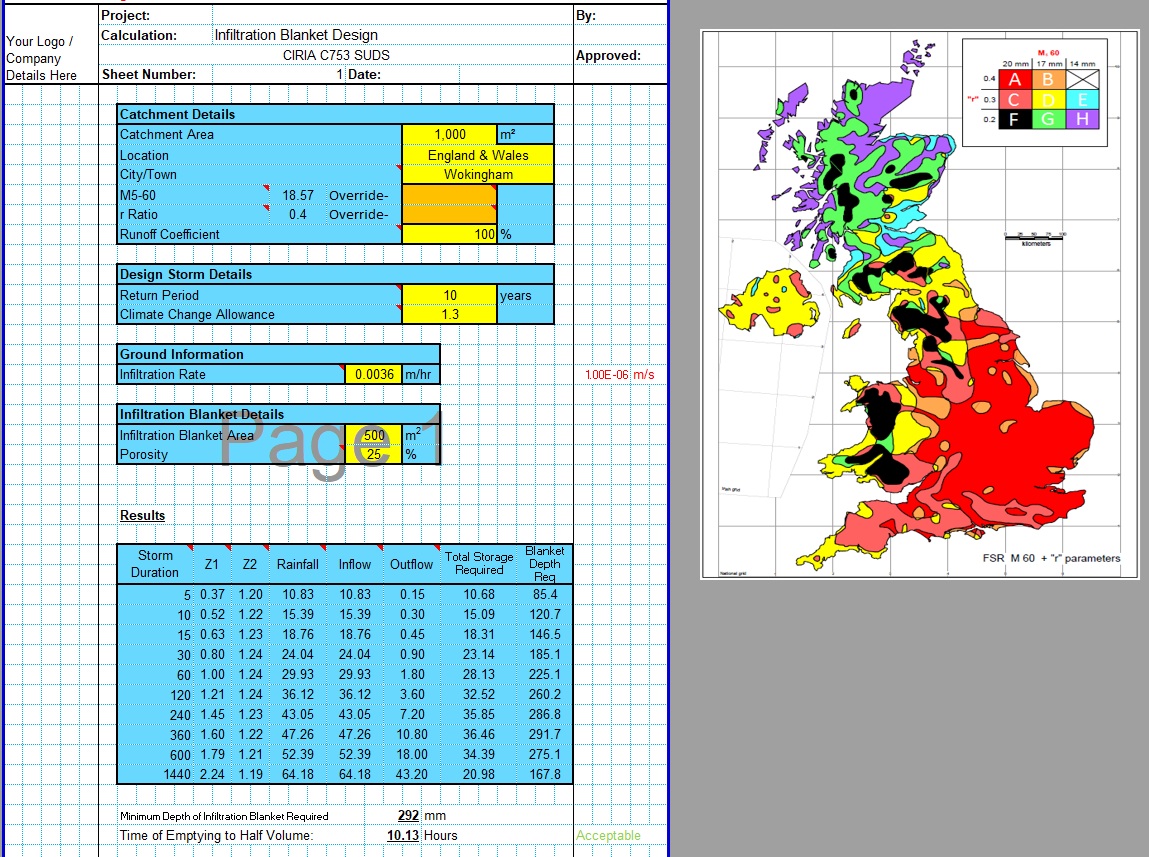
Infiltration Blanket Design Spreadsheet
This spreadsheet can be used to design thin depth infiltration systems, typically called infiltration blanket systems.
Learn More
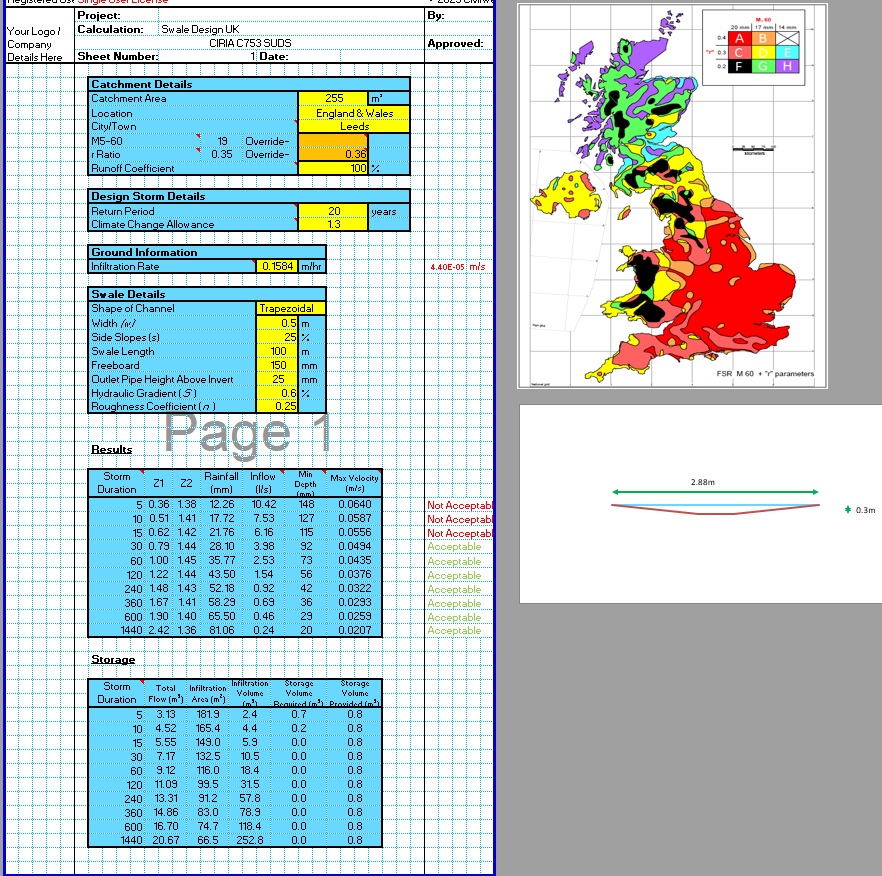
Swale Design Spreadsheet
This spreadsheet can be used to design swales. These linear grassed channels can be used both to convey, infiltrate and filter surface drainage runoff.
Learn More
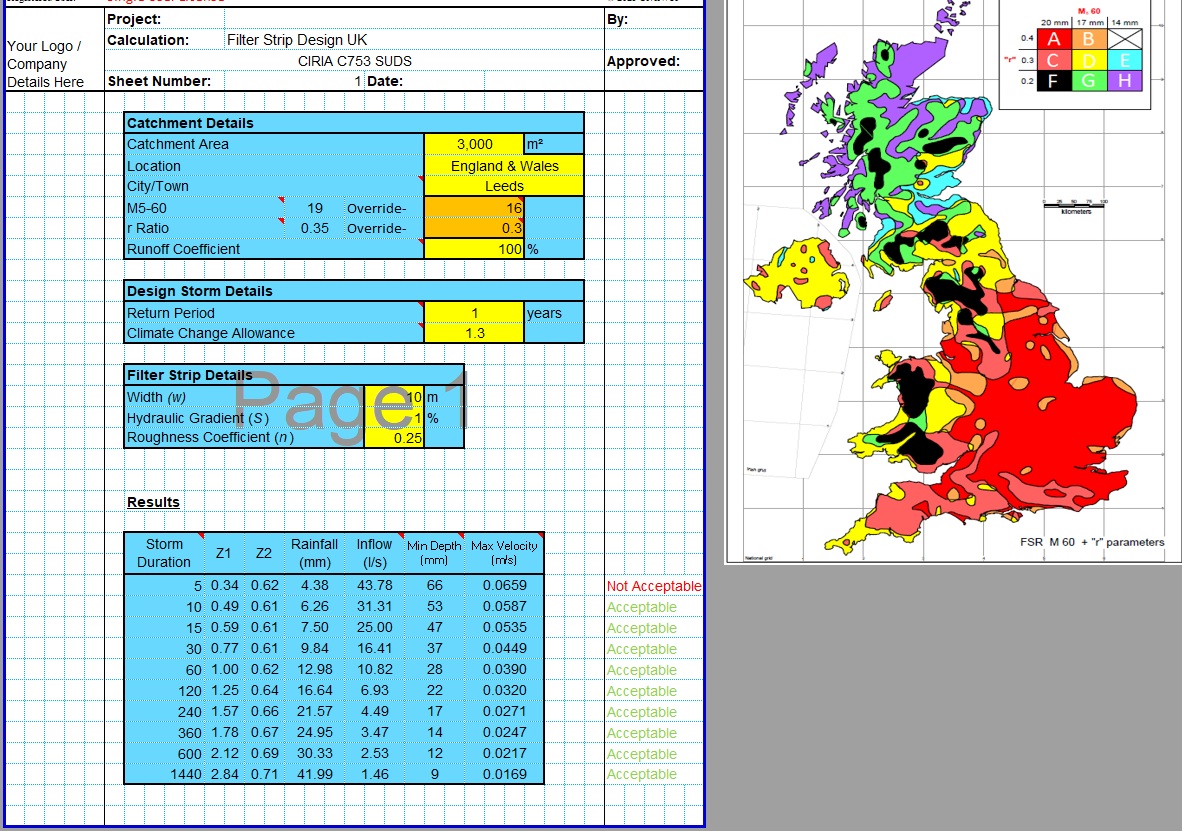
Filter Strip Design Spreadsheet
This spreadsheet is designed to analyse surface water filter strips and to determine the max flow depth and max flow velocity and determine whether they are in accordance with relevant standards.
Learn More
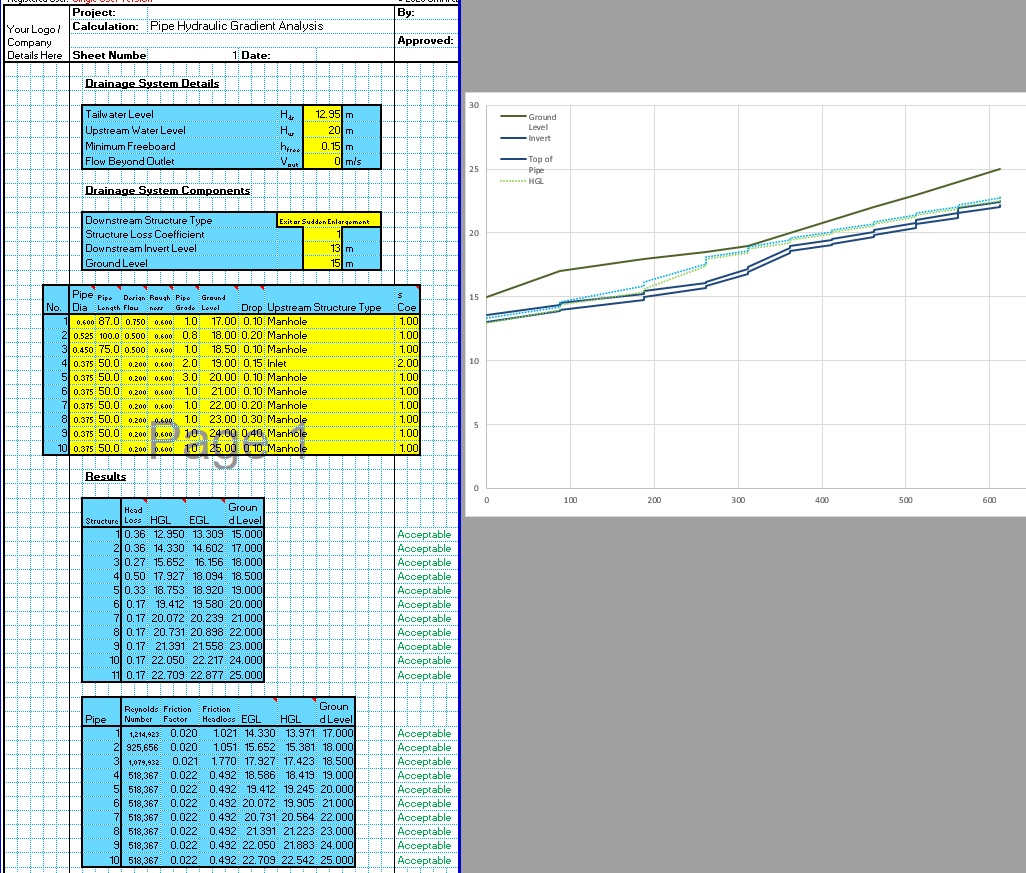
Hydraulic Gradient Analysis Spreadsheet
This spreadsheet analyses the hydraulic and energy grade lines for drainage systems with up to 10 drainage runs.
Learn More
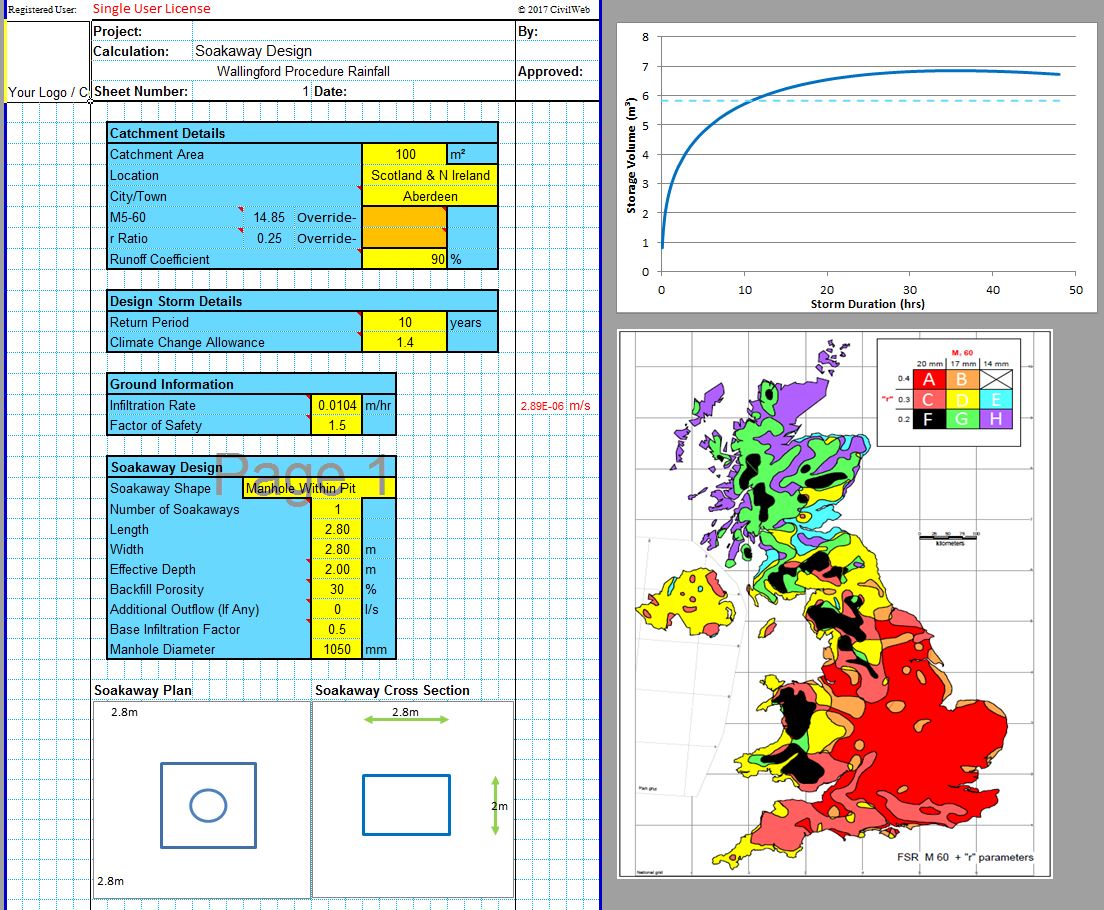
Soakaway Design Spreadsheet
This spreadsheet calculates the requirements for a soakaway system and assists the user to design a suitable system.
Learn More
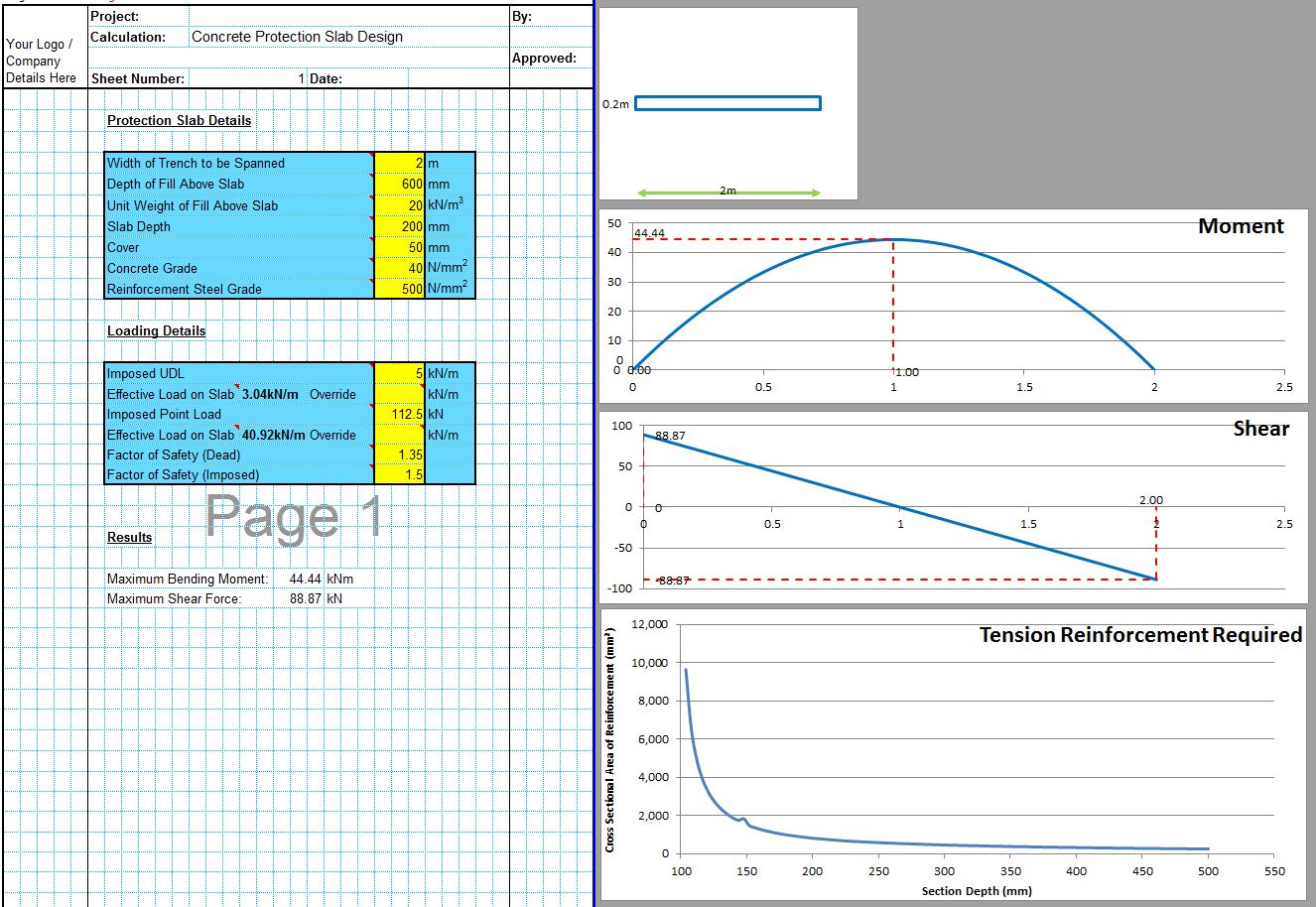
Concrete Protection Slab
This detailed design spreadsheet designs a protection slab commonly installed to protect shallow pipes.
Learn More
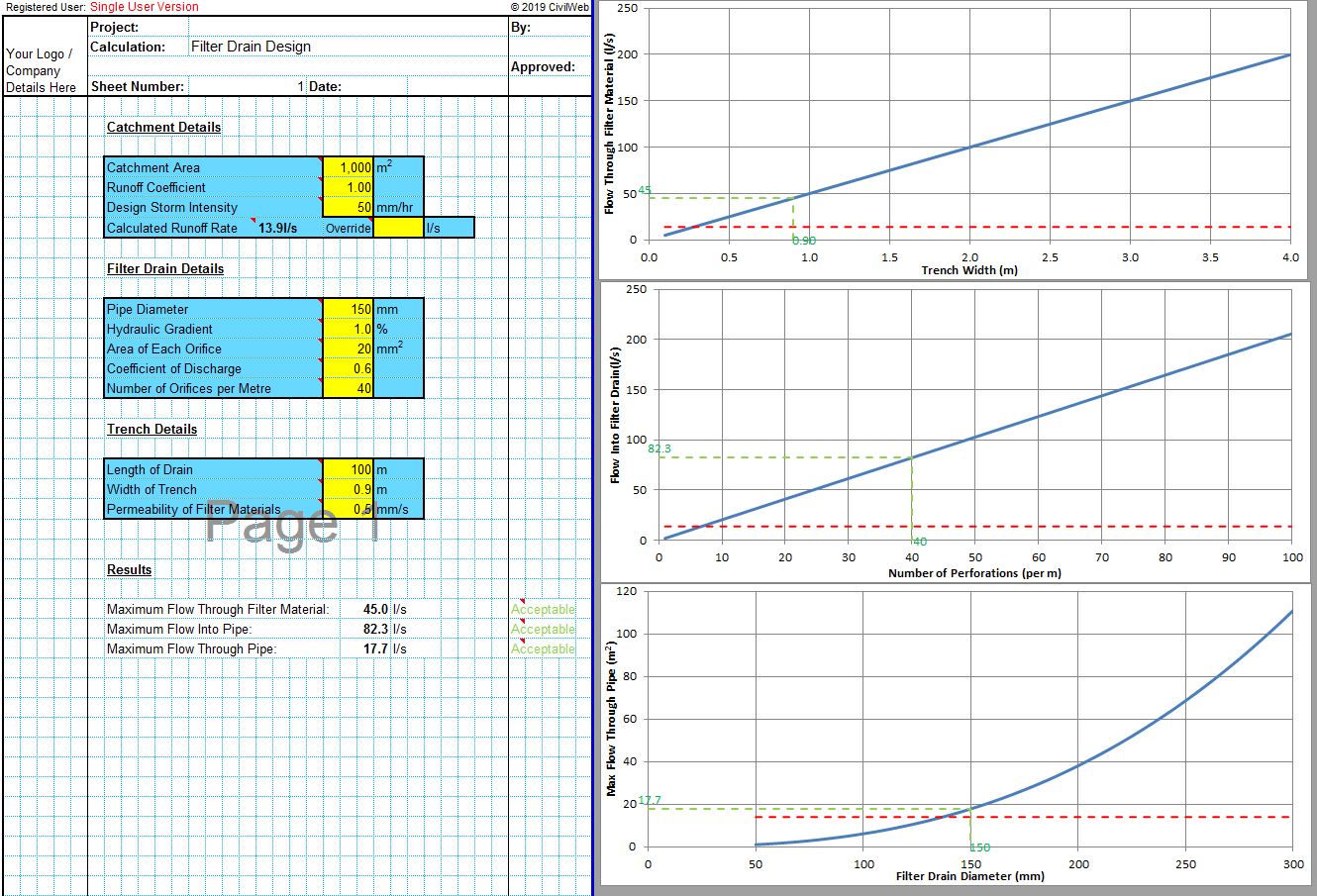
French Drain Design
This spreadsheet completes French Drain Design in accordance with the SUDS Manual.
Learn More
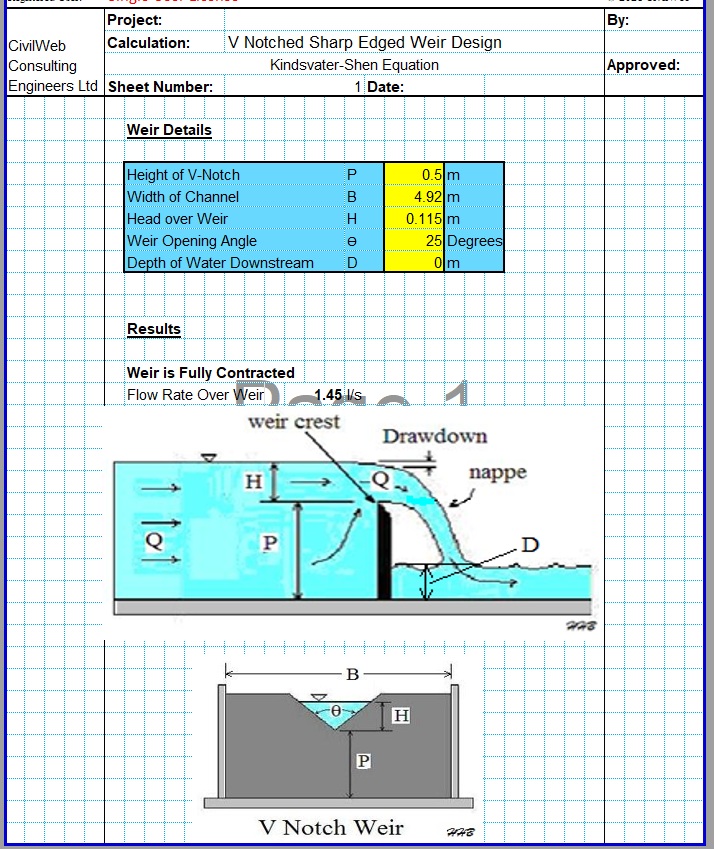
Sharp Crested Weir Flow Calculator Spreadsheets
This suite of 5 separate spreadsheets calculates the flow over sharp crested weirs of all shapes and sizes.
Learn More
Drainage Design Spreadsheet
This is the full suite of drainage design spreadsheets, available at a massive discount for only £49.99.